



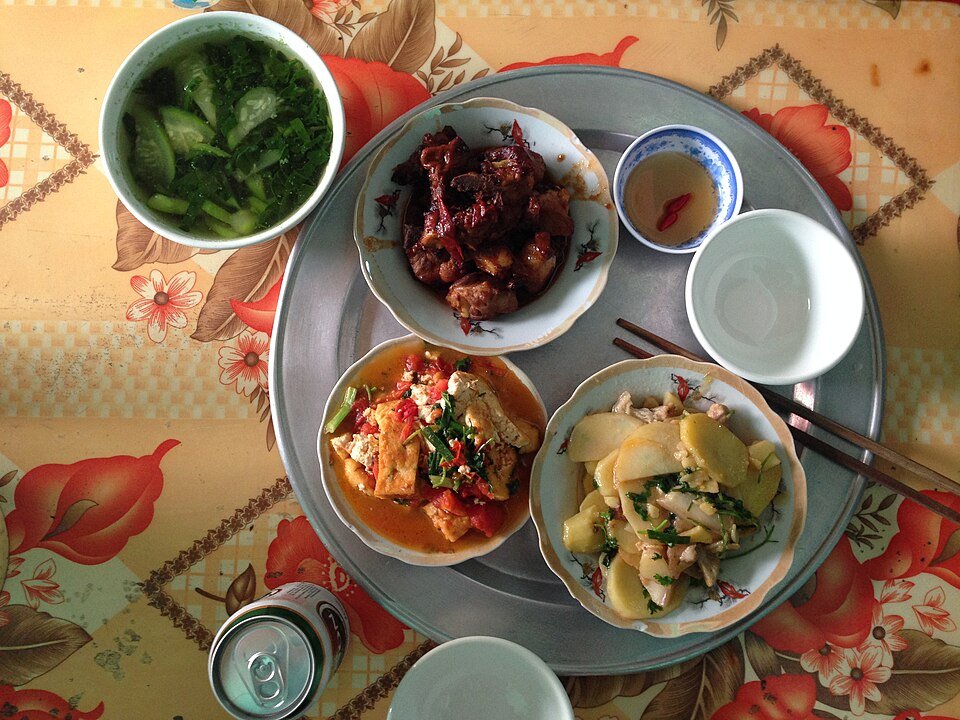

Vietnamese food is often introduced through famous individual dishes. Pho, banh mi and bun cha travel well in photographs and restaurant menus. Yet the most revealing meal may be the one that receives far less international attention: an ordinary family dinner.
Rice is served in individual bowls, while soup, vegetables, fish, meat, tofu and dipping sauces sit in the centre. Diners build each mouthful from the same spread. The meal has no single hero because its character comes from relationships between dishes and people.
Vietnam’s official tourism site describes meals as family-style occasions where everything is laid out for everyone to share. If a guest arrives near dinnertime, the response is often practical and generous. One more bowl and one more pair of chopsticks are enough to make room.
A table organised around sharing
The structure of the meal encourages participation. Each person has rice, but the dishes belong to the table. Someone passes a plate, lifts the lid from the soup or points out which condiment works best with the fish.
This arrangement creates variety without requiring every dish to be elaborate. A light soup can balance something salty or braised. Fresh or cooked vegetables bring contrast. Fish sauce, sometimes mixed with chilli or lime, sharpens a simple mouthful of rice.
The everyday spread can change with season, income, region and household preference. What remains consistent is the idea that dishes are considered together. Balance is built across the table rather than forced into a single plate.
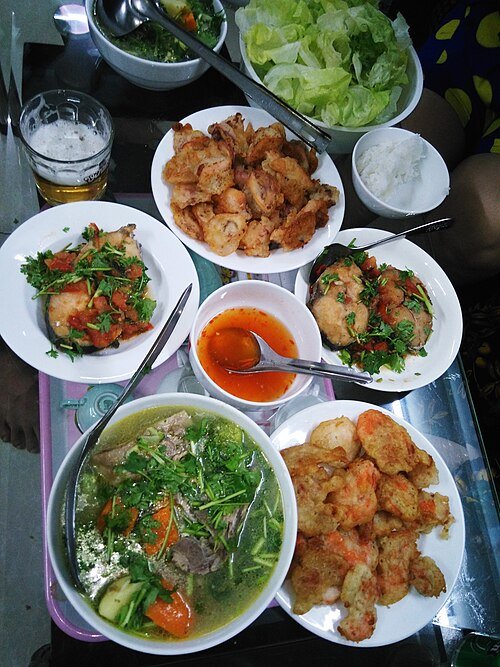
Food speaks when affection is quiet
Vietnam Tourism observes that care is often expressed through food. A family member living far from home may receive prepared food from parents or grandparents. Even the familiar question “Have you eaten rice yet?” can communicate concern more naturally than a dramatic declaration.
This emotional language is easy to recognise across Southeast Asia. In many households, fruit is cut without being requested, a favourite dish appears when someone returns home, and refusing a second helping can become a gentle negotiation.
The gestures may look small because they are repeated every day. That repetition is precisely what gives them weight. Cooking rice, remembering a preference or saving the best portion tells someone that they were considered before they sat down.
Hospitality appears in the serving
Vietnamese table manners reveal how generosity works in practice. Official travel guidance notes that hosts may refill a guest’s glass or place a particularly good piece of food into the guest’s bowl. The action makes care visible.
For visitors, the best response is attention rather than anxiety. Follow the host’s lead, accept modest portions, try what is offered and say clearly but warmly when you are full. Passing a dish with both hands or the right hand is also considered polite.
These customs are not identical in every household. Families differ, and urban lifestyles continue to change. Respect begins with observing the people at the table instead of treating etiquette as a fixed performance.
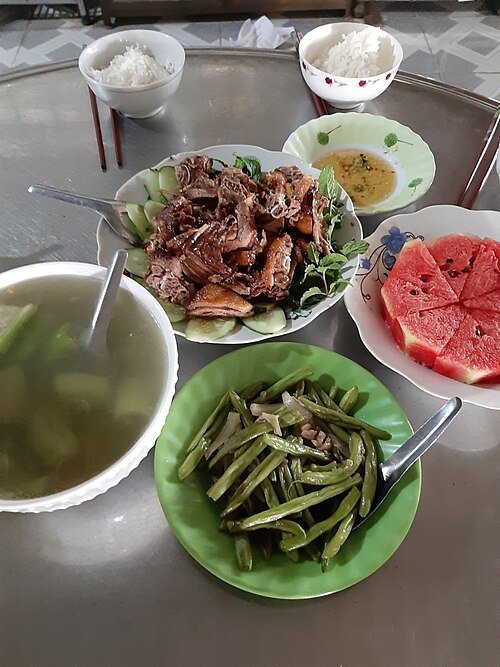
The quiet importance of rice
Calling dinner “eating rice” shows how strongly rice anchors the meal. It provides a neutral centre for dishes that may be salty, sour, aromatic or spicy. It also gives each diner a personal space within the communal arrangement.
The rice bowl creates a useful rhythm. A diner takes a little from a shared dish, eats it with rice and then returns for something else. No one needs to load every component at once. The meal unfolds through small choices.
This rhythm helps explain why a family spread can feel abundant even when the ingredients are humble. Variety comes from contrast and sequence, not only expense.
Everyday dishes carry memory
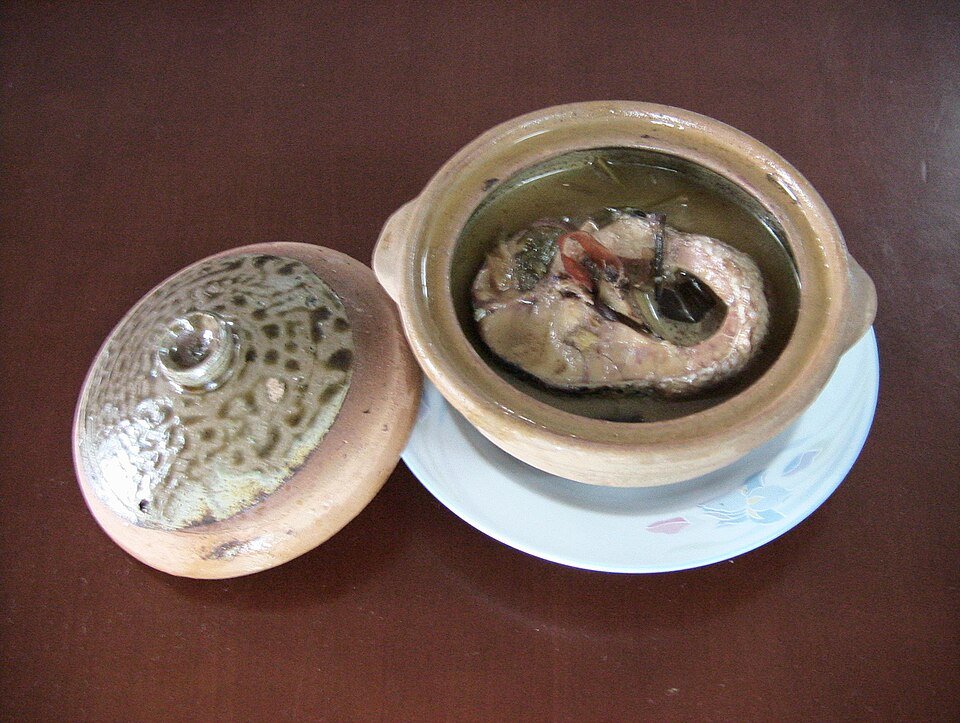
The foods people miss most are not always restaurant showpieces. A bowl of clear soup, tofu in tomato sauce or fish slowly braised in a clay pot can hold memories of a particular kitchen and cook.
Ca kho to, a caramelised braised fish dish, illustrates the role of a deeply savoury component. Its sauce is meant to meet rice. Alongside vegetables and soup, the dish becomes part of a balanced home meal rather than a stand-alone spectacle.
Recipes vary between regions and families. One cook may prefer more pepper, another more sweetness or a different fish. Those differences are not flaws. They are how family identity enters the food.
Modern life changes the dining rhythm
Work schedules, delivery apps and urban commuting make it harder for some families to eat at the same time. Vietnam Tourism has described the family meal as a meaningful pause that can be threatened by rushed or solitary dining.
Still, traditions do not survive only by resisting change. A shared dinner can happen on a weekend instead of every night. Family members may buy one dish and cook another. A meal in a restaurant can use the same communal logic as a meal at home.
What matters is the intention to create a shared centre. The table remains a place to notice who is present, hear what happened during the day and care for one another through ordinary actions.
What regional diners can recognise
The Vietnamese family meal feels culturally specific and regionally familiar at the same time. Malaysians, Indonesians, Filipinos, Thais and others may recognise the shared dishes, the respect shown to older diners and the host who worries that everyone has eaten enough.
The ingredients and etiquette differ, but the emotional principle travels easily. Food becomes a way to say welcome, take care and you belong here.
That is why the image of one extra bowl is so powerful. Hospitality does not always require a feast prepared in advance. Sometimes it is the willingness to shift the dishes slightly, bring another pair of chopsticks and include the unexpected guest in what the family already has.
The Vietnamese family table reminds us that a meaningful food culture lives not only in celebrated recipes. It also lives in who receives the best piece, who refills the soup and whether there is always room for one more person.
.jpg?width=1600)