




Kelupis may look like a modest leaf-wrapped parcel, but its appeal lies in the soft glutinous rice within and what comes alongside it. Brunei Tourism describes it as a favourite local snack wrapped in nyirik leaf. It also notes its place as a light refreshment at weddings and special occasions in Bisaya culture.
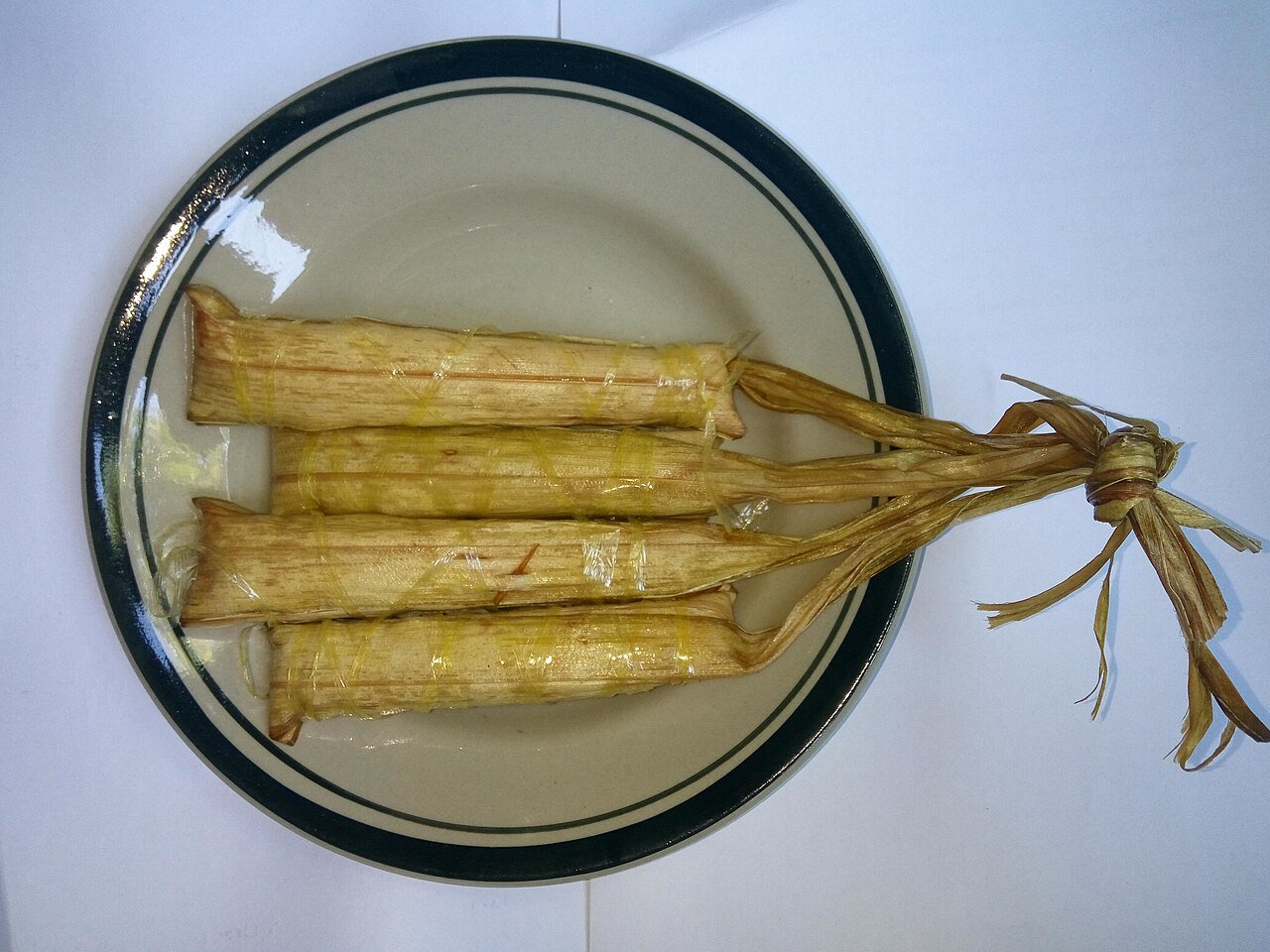
The rice and its wrapping
Glutinous rice gives kelupis its cohesive, tender texture. The leaf parcel makes the portion easy to handle and gives the food its recognisable shape. Brunei Tourism names nyirik leaf in its description, while preparations elsewhere in Borneo may use different local leaves and wrapping styles. That regional variation matters: the name connects related foods, but a photograph or video from Sabah or Labuan should not be treated as a definitive Bruneian method.
What goes beside it?
Kelupis can be eaten on its own, yet accompaniments change the experience. Brunei Tourism mentions versions served with dried shrimp or anchovies and suggests peanut or curry dip. A savoury dip brings contrast to the mild rice. Rather than assuming one standard plate, look at what a vendor or host serves with it: the pairing is part of the story.
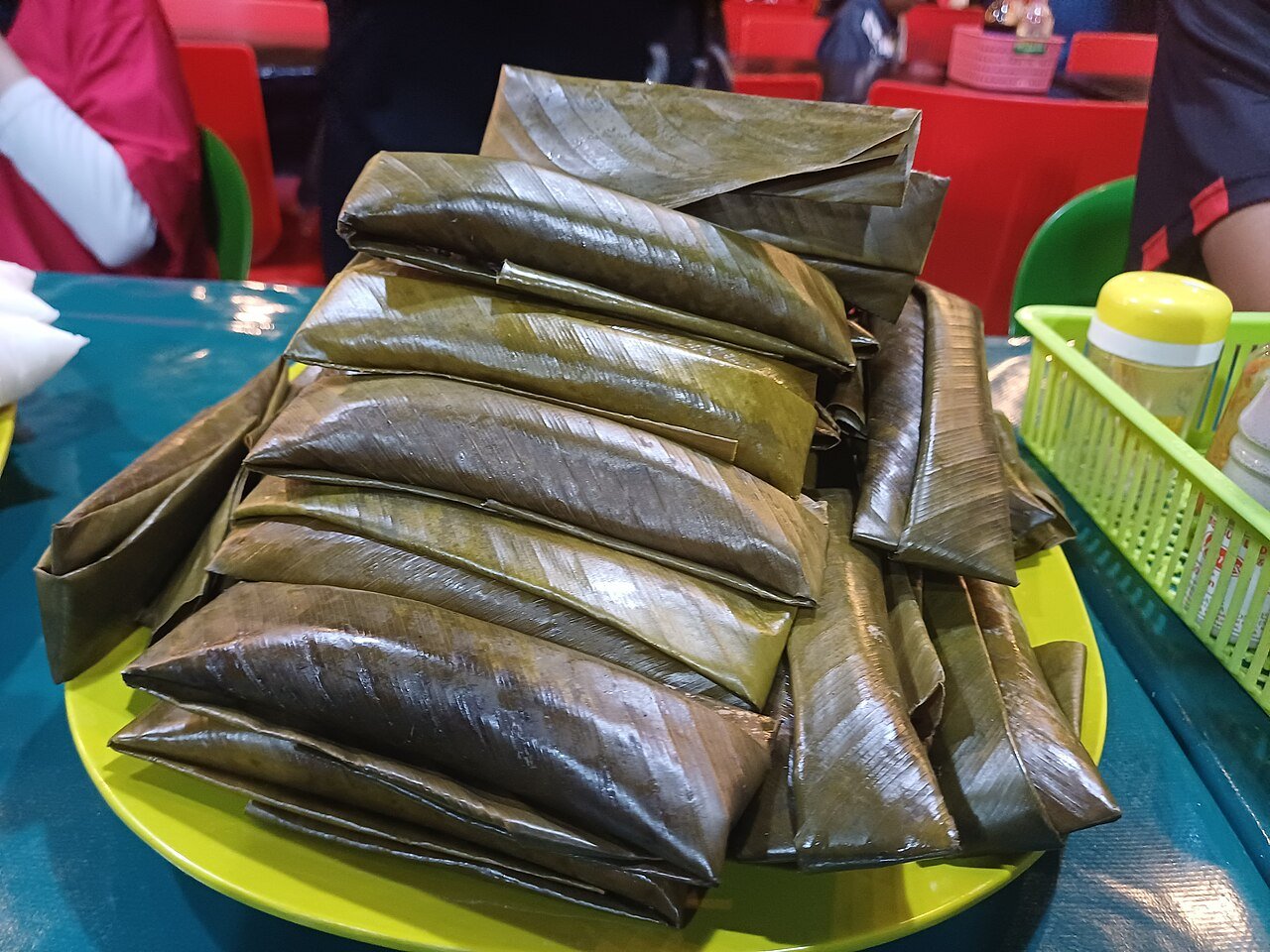
The two photos show different presentations of a food found across Borneo. The second was taken in Sipitang, Sabah, rather than Brunei. Its leaf parcels make the shared idea visible while leaving room for local differences in ingredients, wrapping and serving.
Watch a related Borneo preparation
In the video below, Da Bees demonstrates a Kedayan Labuan version of kelupis. Watch how the rice is handled and wrapped. It is a useful regional comparison, not a claim that every Bruneian family makes kelupis the same way.
Video played through Da Bees’ original YouTube player.