



At first glance, gudeg can look like an ordinary plate of rice and side dishes. The centre of the meal, however, is young jackfruit cooked slowly until it absorbs coconut milk, palm sugar and spices. For visitors to Yogyakarta, the dish is a useful introduction to how time and technique can transform a firm fruit into a soft, richly flavoured main course.
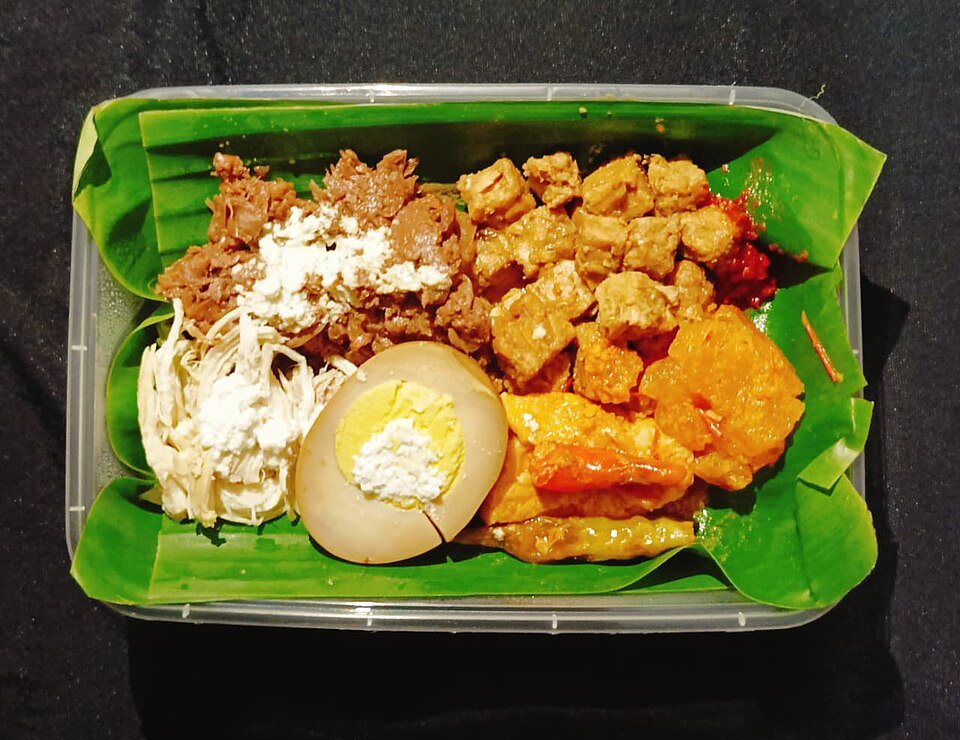
What goes into the pot?
Indonesia’s official tourism site describes young jackfruit as the base, simmered with coconut milk, palm sugar and seasonings for hours. Teak leaves can lend the dish its familiar deeper brown colour. Gudeg tends toward sweetness, but the full plate balances it with savoury and spicy sides.
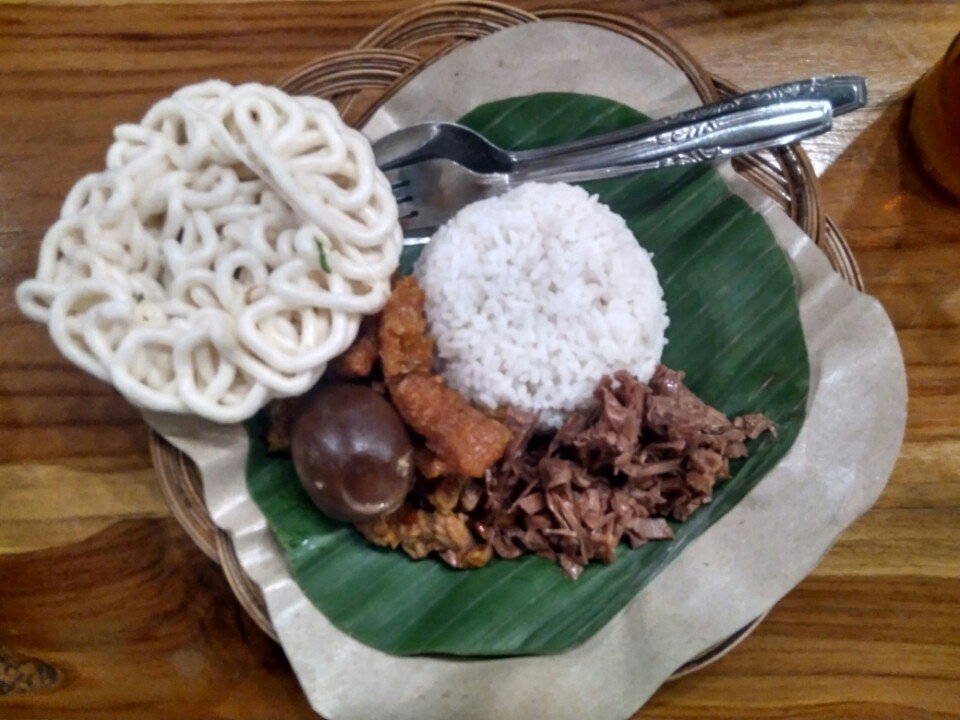
How to order a balanced plate
Gudeg is commonly served over rice with an egg, chicken, tofu or tempeh. Sambal krecek adds heat and another texture. The tourism guide distinguishes wetter and drier styles, so two stalls may serve quite different looking plates. If it is your first taste, order a modest portion with a spicy side and try the jackfruit both alone and with rice.
Making gudeg at home takes patience more than last minute assembly: the jackfruit needs a long, gentle cook. The embedded demonstration below shows one Yogyakarta style approach using teak leaves. Treat it as an example rather than a single definitive recipe.