


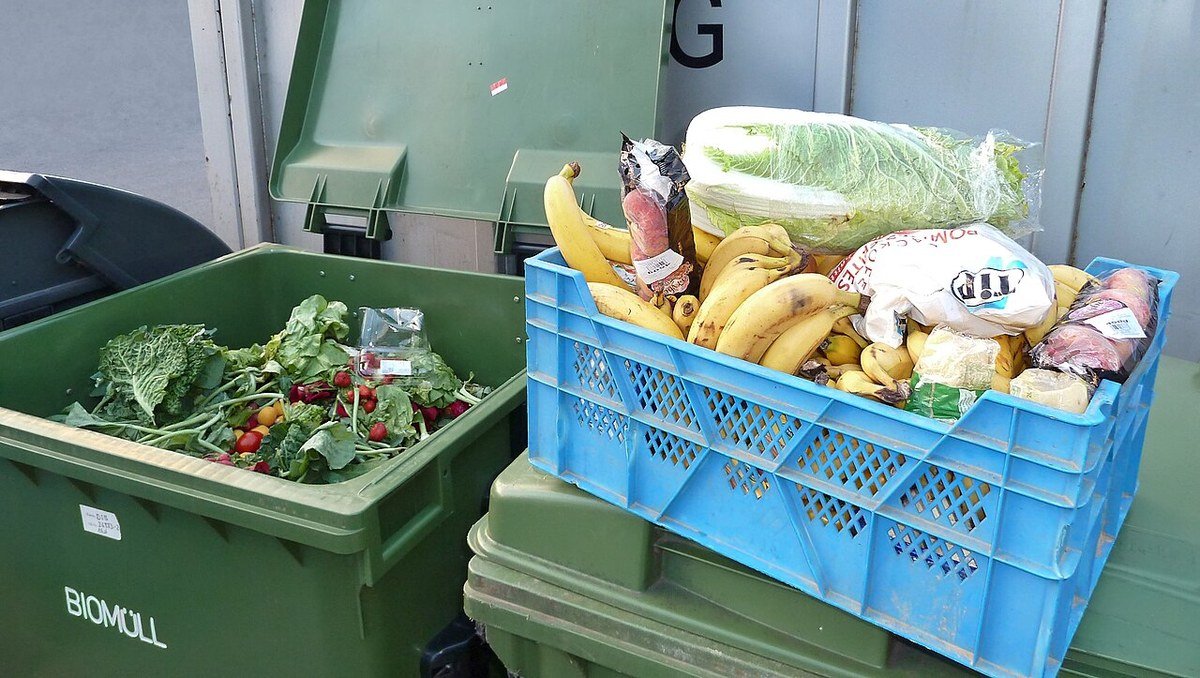

A box of bruised vegetables, a mound of coconut pulp and the grain left after brewing may look like the end of a food process. Increasingly, entrepreneurs see them as the beginning of another one.
- Why food waste is becoming harder to ignore
- What counts as upcycled food?
- Southeast Asia has plenty of potential ingredients
- Spent grain can find a second life
- From humble ingredient to premium snack
- Food safety comes before the story
- How shoppers can judge an upcycled product
- An opportunity for Malaysian food entrepreneurs
- Waste is not the only measure of success
- Sources
Across Southeast Asia, food businesses are exploring ways to turn edible by-products into crackers, flour, seasonings, drinks and snack ingredients. The idea is often described as upcycled food: ingredients that might otherwise leave the human food chain are recovered and given a new, higher-value use.
This is not simply a story about disguising waste. Done well, upcycling can reduce pressure on disposal systems, create additional income for producers and make fuller use of crops that required land, water and labour to grow.
Why food waste is becoming harder to ignore
The United Nations Environment Programme estimated that the world generated 1.05 billion tonnes of food waste in 2022 at retail, food-service and household level. Households accounted for the largest share.
Those figures cover discarded meals and ingredients, but waste also appears earlier in the supply chain. Fruit can be rejected for its shape. Coconut flesh remains after milk is pressed. Breweries are left with wet grain. Juice production creates peel, seeds and pulp.
Not all of this material is suitable for people to eat. Some is contaminated, spoiled or better directed to animal feed, composting or energy production. The useful question is not whether every scrap can become a snack. It is whether safe, nutritious material is being discarded before anyone examines its value.
What counts as upcycled food?
Upcycling is different from simply using leftovers at home. It usually involves a business identifying a consistent by-product, testing it for safety and functionality, then processing it into an ingredient or finished product.
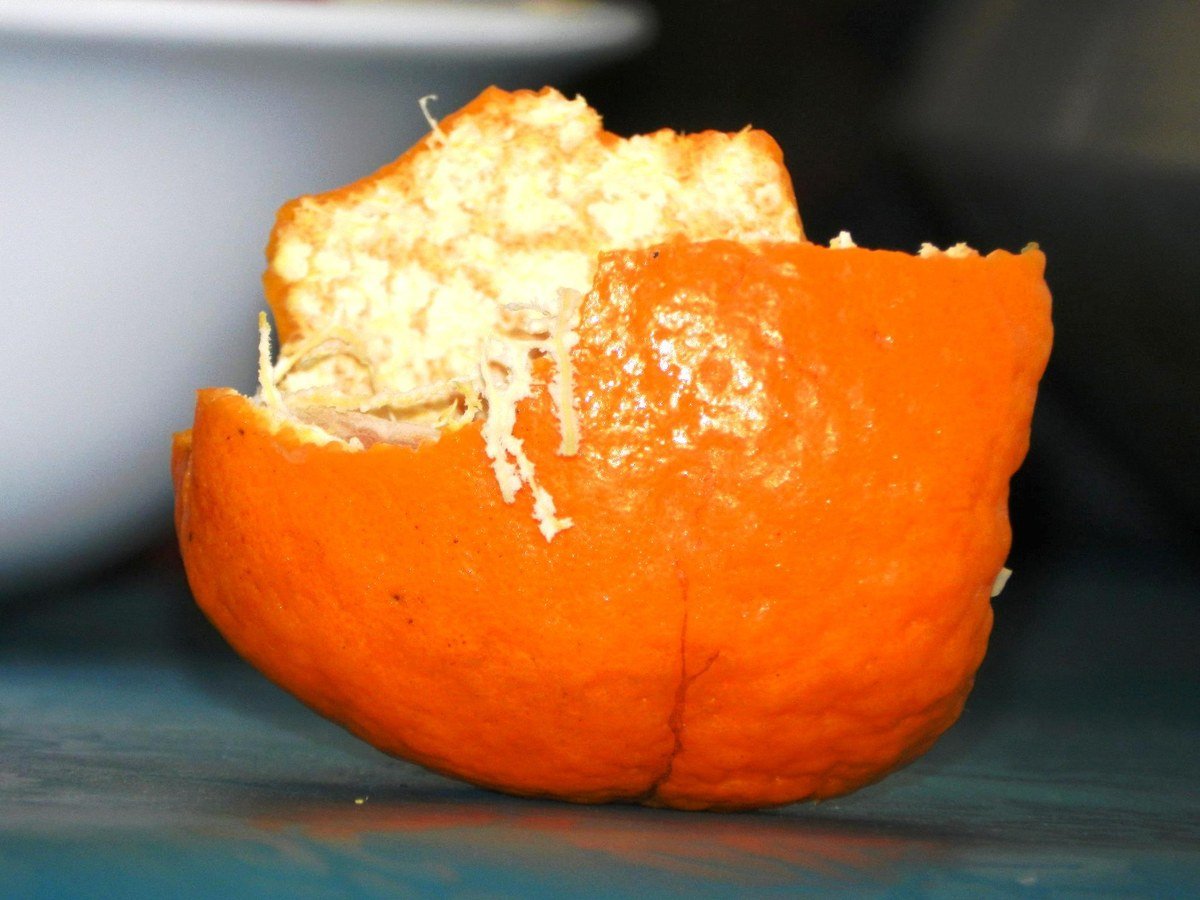
For example, a juice maker may dry fruit pulp and mill it into fibre-rich powder. A bakery might add the powder to biscuits. A coconut processor could turn pressed pulp into flour, while a brewery might dry spent grain for use in bread or savoury snacks.
The process must create genuine value. Moving material from one bin to another while using excessive energy, water or packaging would weaken the environmental case.
Southeast Asia has plenty of potential ingredients
The region processes large volumes of coconut, pineapple, banana, cassava, rice, coffee, cocoa and tropical fruit. Each industry produces side streams with different possibilities.
Pineapple cores and peel can supply fibre or flavour extracts. Banana that is too ripe for retail can become puree or flour. Coffee pulp may be processed into beverages or ingredients where regulations allow. Rice bran can be stabilised and used in food products instead of being treated only as a low-value residue.
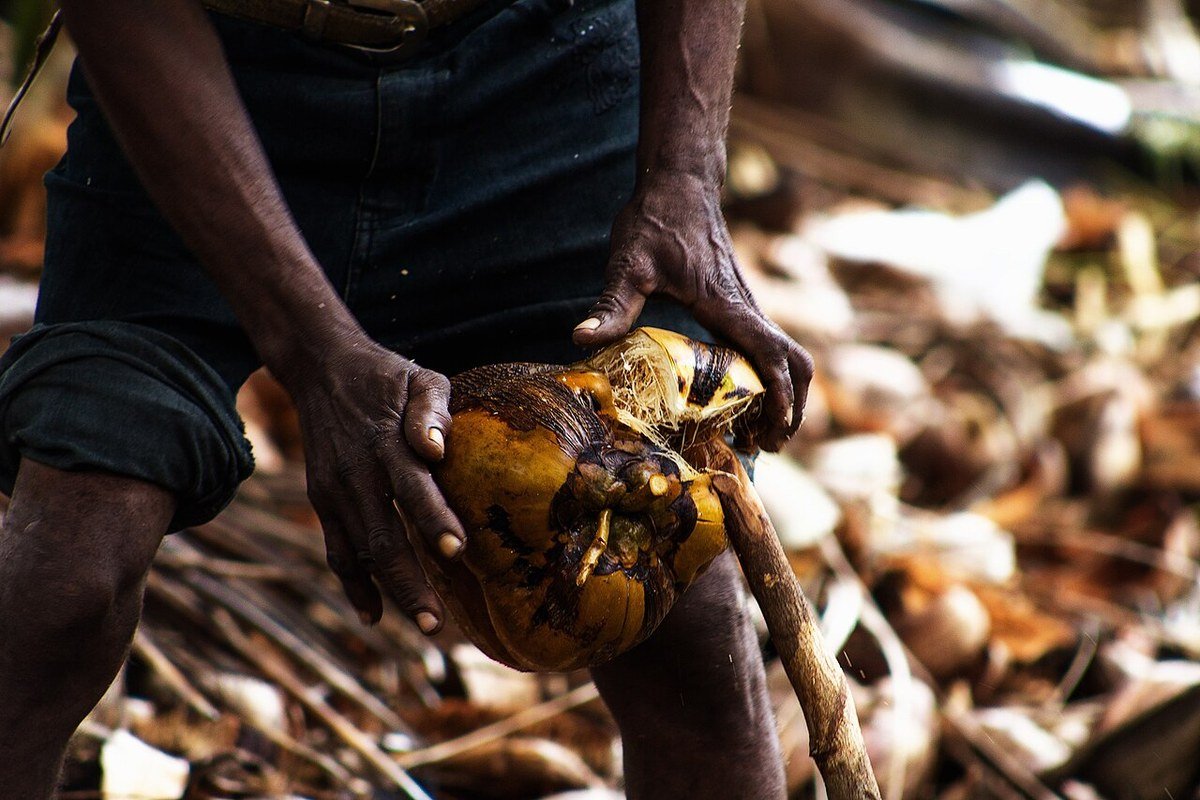
Coconut is especially interesting because almost every part already has a use. The remaining pulp after milk extraction can still contain fibre and some fat. Once dried safely, it may be milled into flour or included in snack formulations.
Spent grain can find a second life
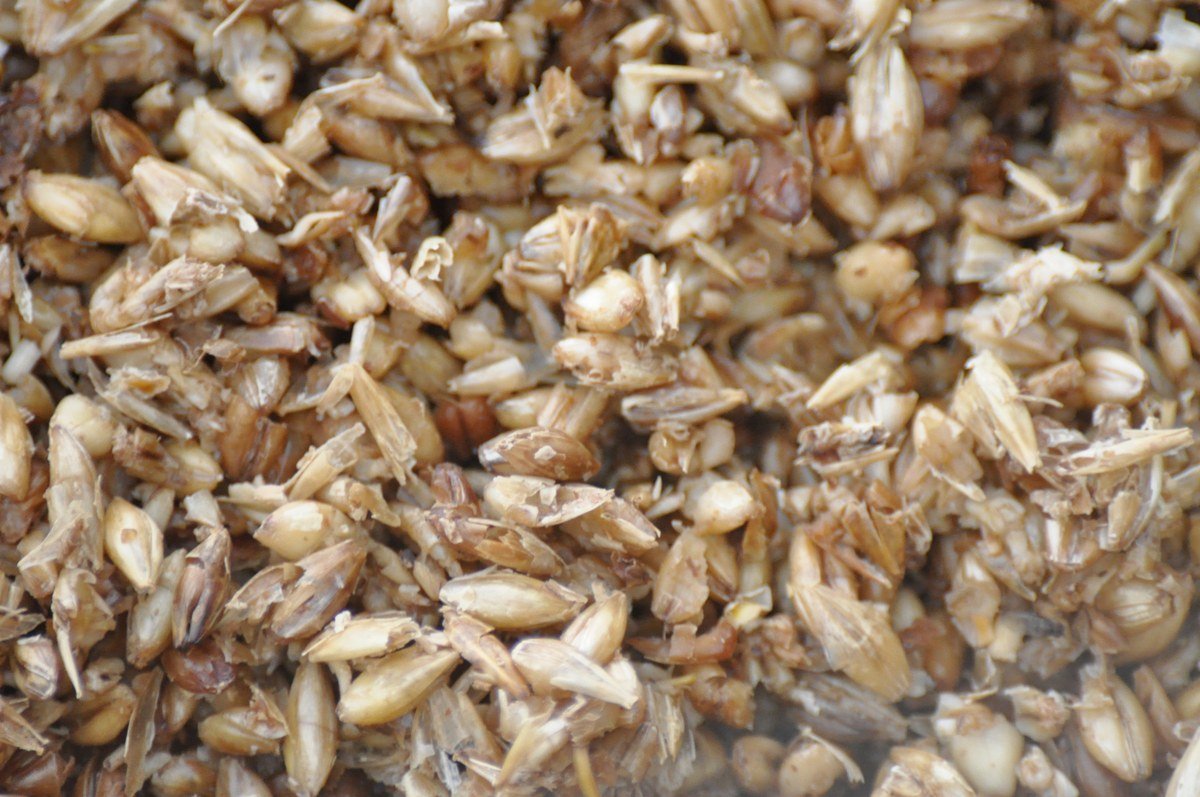
Brewing leaves behind grain hulls and solids known as spent grain. The material is wet and perishable, so breweries need to handle it quickly. It has traditionally been used as animal feed, which remains a valuable route.
Some producers are also drying and milling spent grain for human food. Its texture and flavour can suit crackers, granola, bread and savoury products. The commercial challenge is that drying requires energy, while collection and storage must prevent spoilage.
This illustrates an important point. Upcycling is not automatically the best option. A company must compare food use with existing routes such as livestock feed, composting or anaerobic digestion. The best outcome depends on local infrastructure and the condition of the material.
From humble ingredient to premium snack
One tension sits at the centre of the trend. Upcycled products are often marketed as premium even though the starting material may have been inexpensive or unwanted.
The price does not reflect raw material alone. Businesses may need specialised drying equipment, laboratory testing, new recipes, traceability systems and packaging that keeps the product stable. Small production runs also cost more per unit.
Even so, consumers deserve clear value. Sustainability should not become an excuse for a high price attached to an ordinary product. The snack still needs to taste good, offer useful nutrition and explain exactly what has been recovered.
Food safety comes before the story
A peel or pulp is not automatically safe because it came from an edible fruit. Agricultural residues, cleaning chemicals, allergens, microbial growth and foreign material all have to be considered.
Businesses need controlled sourcing, rapid handling, validated processing and appropriate testing. Labels should identify allergens and should not imply health benefits that have not been demonstrated.
This matters particularly when a company collects material from several suppliers. A consistent ingredient requires consistent standards. The romantic idea of rescuing waste cannot replace basic food manufacturing discipline.
How shoppers can judge an upcycled product
Consumers do not need to become food scientists. A few practical questions can reveal whether the product has substance behind its claims:
- What ingredient was recovered, and where did it come from?
- What would normally have happened to that material?
- How much of the finished product is actually upcycled?
- Does the company explain its safety and processing standards?
- Is the nutrition profile better, worse or similar to an ordinary snack?
- Does the product taste good enough to buy again?
A credible brand should be able to answer these questions in plain language.
An opportunity for Malaysian food entrepreneurs
Food & Drinks Malaysia by SIAL highlighted upcycled snacks, functional ingredients and regionally rooted flavours among its 2026 innovation themes. That combination suits Malaysia particularly well.
Local businesses can work with familiar ingredients rather than importing a sustainability story from elsewhere. Pineapple from Johor, coconut from coastal growing areas, coffee by-products from Sabah and Sarawak, and imperfect tropical fruit all offer possibilities.
The strongest products will probably begin with a dependable partnership between a processor and a manufacturer. A snack company that knows exactly when and where a by-product is created has a better chance of maintaining safety and consistency.
Waste is not the only measure of success
Upcycled food will not solve the entire food-waste problem. Preventing overproduction, improving storage, redistributing edible surplus and helping households plan meals remain essential.
Still, upcycling can fill an important gap. It asks food businesses to look again at material that has already absorbed resources and decide whether its useful life is truly over.
For Southeast Asia, the opportunity is not limited to copying Western snack trends. The region has its own crops, processing traditions and flavour preferences. A cracker made with coconut pulp or a biscuit enriched with fruit fibre can tell a local story while using ingredients more completely.
The idea will succeed when the result is safe, delicious and honestly explained. Saving material from waste is valuable. Turning it into food that people genuinely want is what makes the model last.