




Protein used to be marketed mainly to bodybuilders. Today, the word appears on yoghurt cups, instant drinks, snack bars, noodles and even familiar breakfast foods.
- Why protein has become a mainstream selling point
- Southeast Asia already has protein-rich foods
- How much protein do adults need?
- Plant and animal sources can work together
- The convenience opportunity
- Watch the sugar, sodium and processing
- Protein drinks are not the same as complete meals
- What should shoppers look for?
- A chance to modernise local foods thoughtfully
- Protein should support the meal, not dominate it
- Sources
Across Asia, food companies are treating protein as an everyday benefit rather than a specialist sports claim. That shift reflects wider interest in filling meals, active ageing, convenient nutrition and products that fit busy routines.
Yet more protein is not automatically better. Most people need an adequate, balanced diet, not a race to find the largest number on a label.
Why protein has become a mainstream selling point
Protein is easy to understand. Consumers associate it with muscle, strength and satiety, while manufacturers can add a clear numerical claim to a package.
Innova Market Insights identified protein as one of the prominent food and beverage themes in Asia for 2026. The trend is appearing beyond powders and shakes, including dairy products, snacks, ready meals and plant-based foods.
Several changes help explain the appeal. More consumers exercise regularly, older adults are paying attention to maintaining strength, and office workers want convenient foods that feel more substantial than a sugary snack.
Social media has also made nutrition targets part of everyday conversation. A short video can compare the protein content of five breakfasts in seconds. That can be useful, but it can also reduce a complete meal to a single number.

Southeast Asia already has protein-rich foods
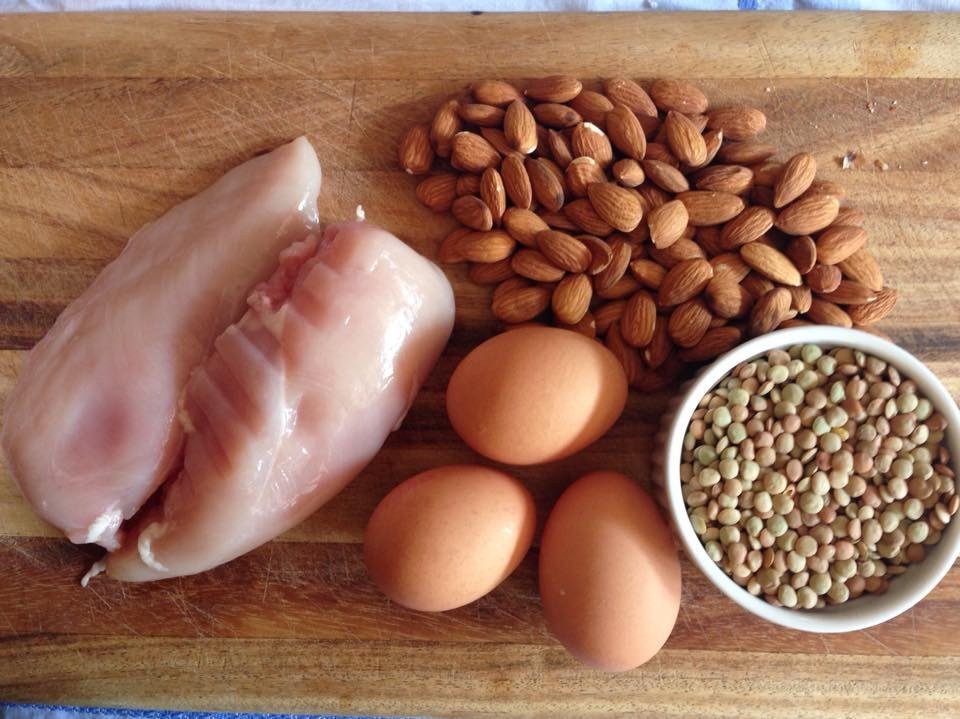
The region does not need to import all of its protein ideas from Western fitness culture. Tempeh, tofu, fish, eggs, chicken, lentils, dhal and beans are already part of daily meals.
Tempeh is especially relevant. Fermentation binds soybeans into a firm cake with a savoury flavour and useful texture. It can be fried, grilled, braised or added to sambal without pretending to be a laboratory invention.
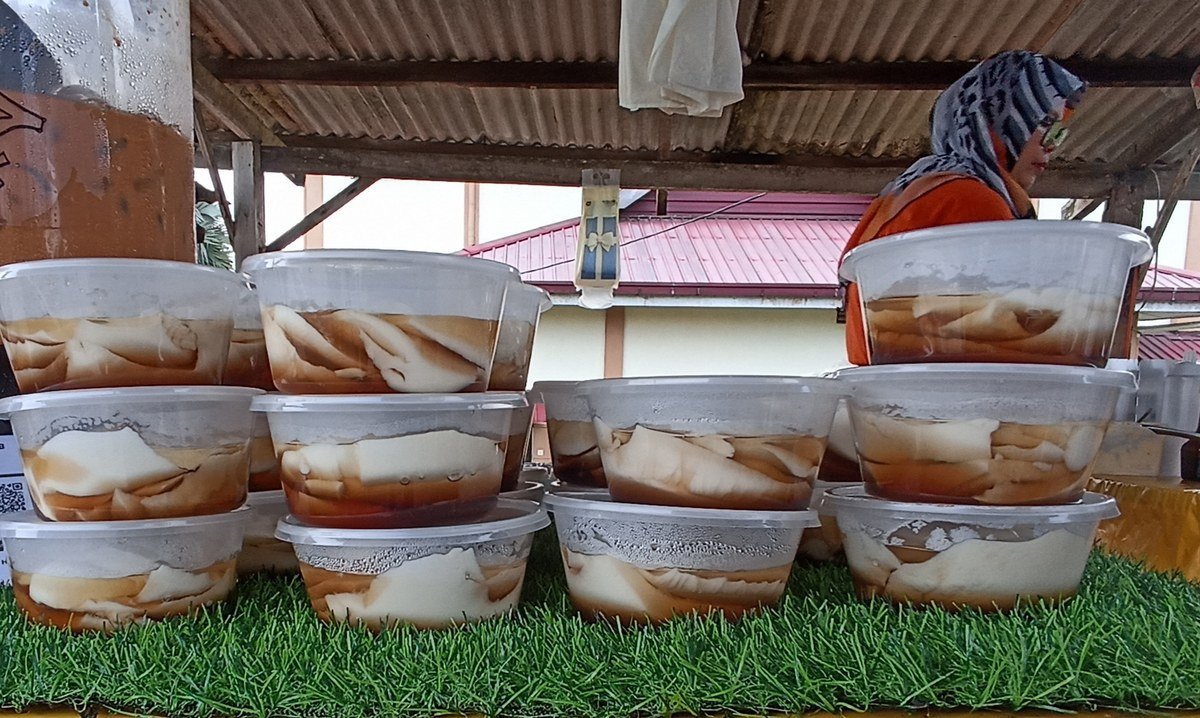
Tofu appears in yong tau foo, soups, stir-fries and desserts such as tau foo fah. Fish and eggs are common across rice and noodle dishes. Indian and Malaysian Indian cooking also offers dhal, chickpeas and other pulses.
The opportunity for modern food businesses is not simply to add imported protein powder. It is to make familiar sources more convenient, appealing and clearly explained.
How much protein do adults need?
Needs vary according to age, body size, activity, pregnancy, health and other factors. The World Health Organization states that protein providing around 10 to 15 percent of daily energy is generally sufficient for adults. It gives an approximate range of 50 to 75 grams for a healthy person consuming about 2,000 calories.
Athletes, adolescents and some older adults may have different needs. Anyone managing kidney disease or another medical condition should seek professional advice before deliberately increasing protein intake.
The key point is that a high figure on one product does not tell you whether your whole diet is appropriate.
Plant and animal sources can work together
Protein can come from both plant and animal foods. Each source brings a different combination of amino acids, fats, vitamins, minerals, fibre and cost.
Fish and eggs provide highly usable protein together with other nutrients. Tempeh, tofu, beans and lentils add variety, and pulses also contribute fibre.
A practical meal might combine rice with dhal and egg, noodles with tofu and fish, or tempeh with vegetables and sambal. Variety across the day matters more than forcing every ingredient into a high-protein label.
The convenience opportunity
The strongest commercial opportunity may be convenience. People often understand what a balanced meal looks like but struggle to prepare one during a busy day.
Brands can respond with better ready-to-eat eggs, lightly seasoned tempeh, bean-based snacks, unsweetened soy drinks and meals that combine protein with vegetables and whole grains.
Restaurants can also offer useful information without turning menus into spreadsheets. Identifying the main protein source and giving sensible portion choices may be more helpful than promoting an extreme challenge meal.
Watch the sugar, sodium and processing
A product can be high in protein and still be high in sugar, sodium or saturated fat. Protein bars may resemble confectionery. Flavoured yoghurt drinks can contain substantial added sugar. Processed meat snacks may deliver protein together with a large amount of sodium.
The World Health Organization emphasises adequacy, balance, moderation and diversity as the foundations of a healthy diet. Protein is one part of that picture.
Consumers should read the full nutrition panel, not only the claim on the front. Compare serving sizes, ingredient lists, sugar, sodium and total energy.

Protein drinks are not the same as complete meals
Ready-to-drink protein products can be useful when time is short or appetite is limited. They are portable and make the amount of protein easy to track.
However, a drink may not provide the fibre, texture and variety of a meal built around whole foods. Liquid calories can also be easy to consume without noticing how much sugar or energy they contain.
The best use depends on the person and situation. A convenient drink after exercise is different from replacing breakfast every day without considering the rest of the diet.
What should shoppers look for?
- Check the protein amount per serving, not only per 100 grams.
- Compare sugar, sodium and saturated fat with similar products.
- Look for a short ingredient list that you understand.
- Consider whether the food also offers fibre, vitamins or minerals.
- Choose a product you genuinely enjoy and can afford regularly.
- Remember that eggs, fish, tofu, tempeh and pulses may offer better value.
A chance to modernise local foods thoughtfully
Southeast Asian food companies have an advantage because the region already has trusted protein foods. Innovation can focus on format, shelf life and convenience while keeping local flavour and culinary identity.
Tempeh crisps, dhal-based snacks or soy beverages can be useful products, but they should not erase the foods that inspired them. Clear sourcing and culturally accurate descriptions help prevent a familiar ingredient from being repackaged as a mysterious new discovery.
There is also room for smaller manufacturers. A local producer may understand texture and flavour better than a global brand, especially when working with fermented foods or regional seasonings.
Protein should support the meal, not dominate it
The high-protein trend can encourage people to pay closer attention to nutrition. It can also help businesses improve convenient foods that were previously built mostly around refined starch, sugar or fat.
But the trend is most useful when it returns to a simple question: does this product help someone eat a satisfying, varied and balanced diet?
Protein matters. So do vegetables, fruit, whole grains, healthy fats, cultural habits and the pleasure of eating. Southeast Asia already has many foods that bring those elements together.
The future of protein does not have to come only in a shaker bottle. It may already be wrapped in a banana leaf, simmering in dhal or grilling at a neighbourhood stall.