



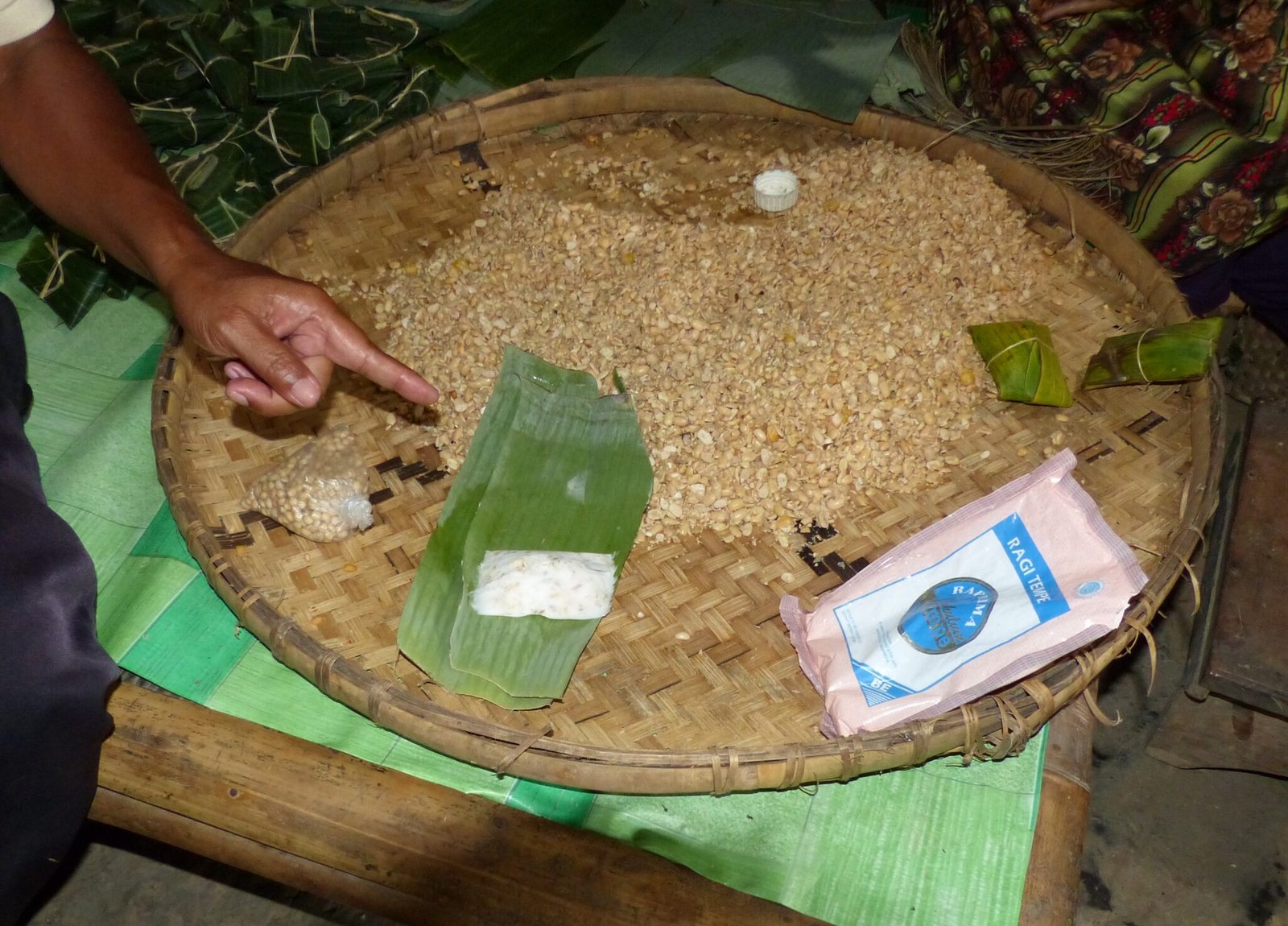

Tempe arrives at the market as a compact cake of soybeans, ready to slice. The work behind it is less visible. Beans have to be prepared, cooled, mixed with starter, packed and given time to ferment. In a documentary published by Indonesia’s National Research and Innovation Agency (BRIN), home producer Pak Ta’ali explains his craft and the factors he considers when judging good tempe. His account offers a useful reason to look beyond the finished block.
What the maker controls
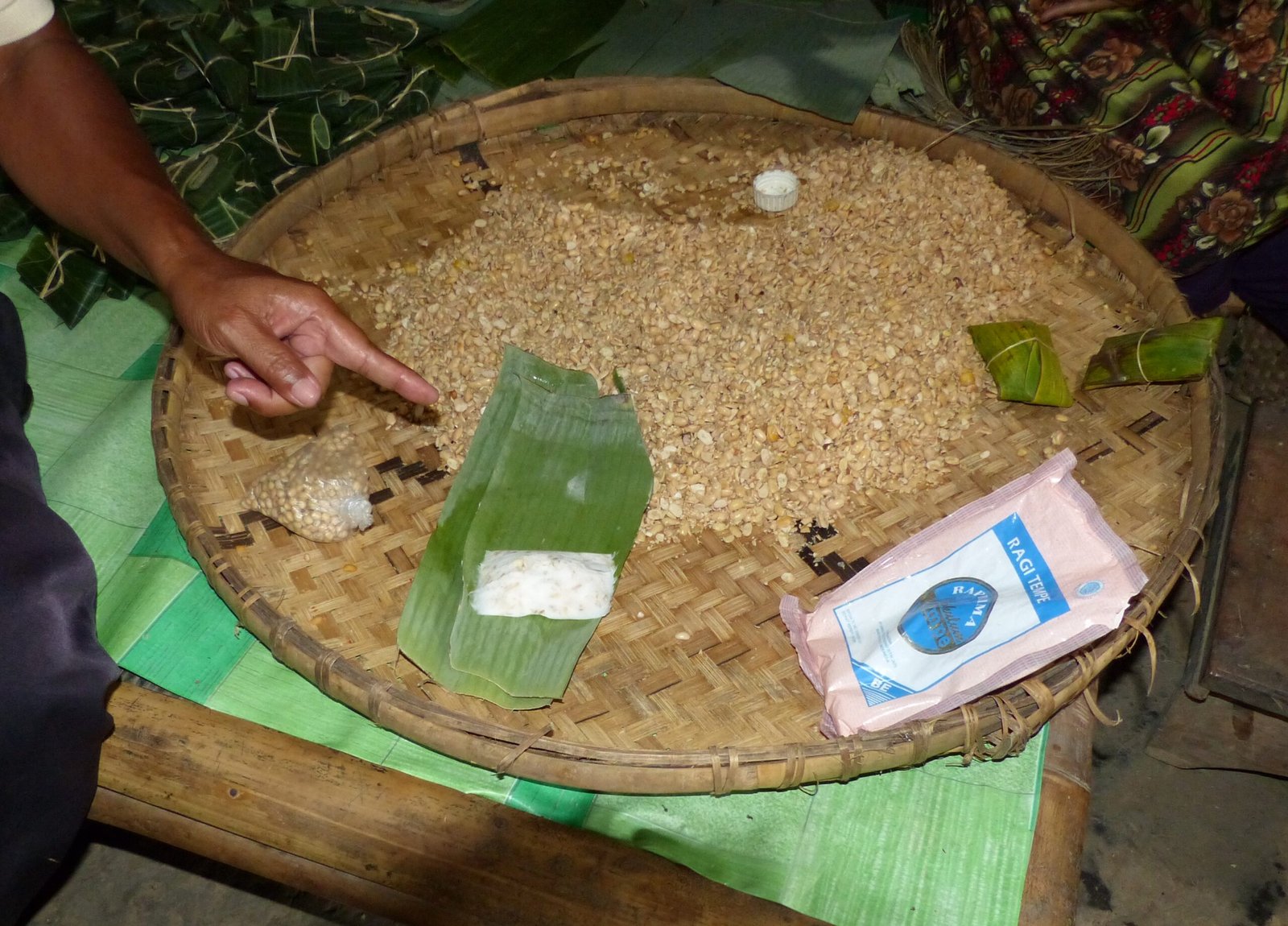
The basic process, described by the UN Food and Agriculture Organization, starts with cooked, dehulled soybeans and a Rhizopus starter. The beans are mixed with the starter, packed, and left to ferment. This is a living process, so preparation and timing matter. The maker is not merely wrapping beans: each batch requires decisions about how dry the beans are, when to add starter and when the cake is ready to sell.
Pak Ta’ali’s documentary is a first-hand account of those decisions. We have not interviewed him; the film is the source for his perspective. Watch his explanation below, then notice how much care is involved before tempe reaches a cook’s chopping board.
From workshop to table
Packaging is part of the story. Banana leaves remain one familiar way of presenting tempe, while perforated plastic is also common. The FAO describes the fermentation period as one to two days in a traditional process. A buyer sees only the final cake, but its closely bound soybeans reveal the work of fermentation. A fresh block should be handled and stored according to the seller’s advice, then cooked thoroughly as intended for the dish.
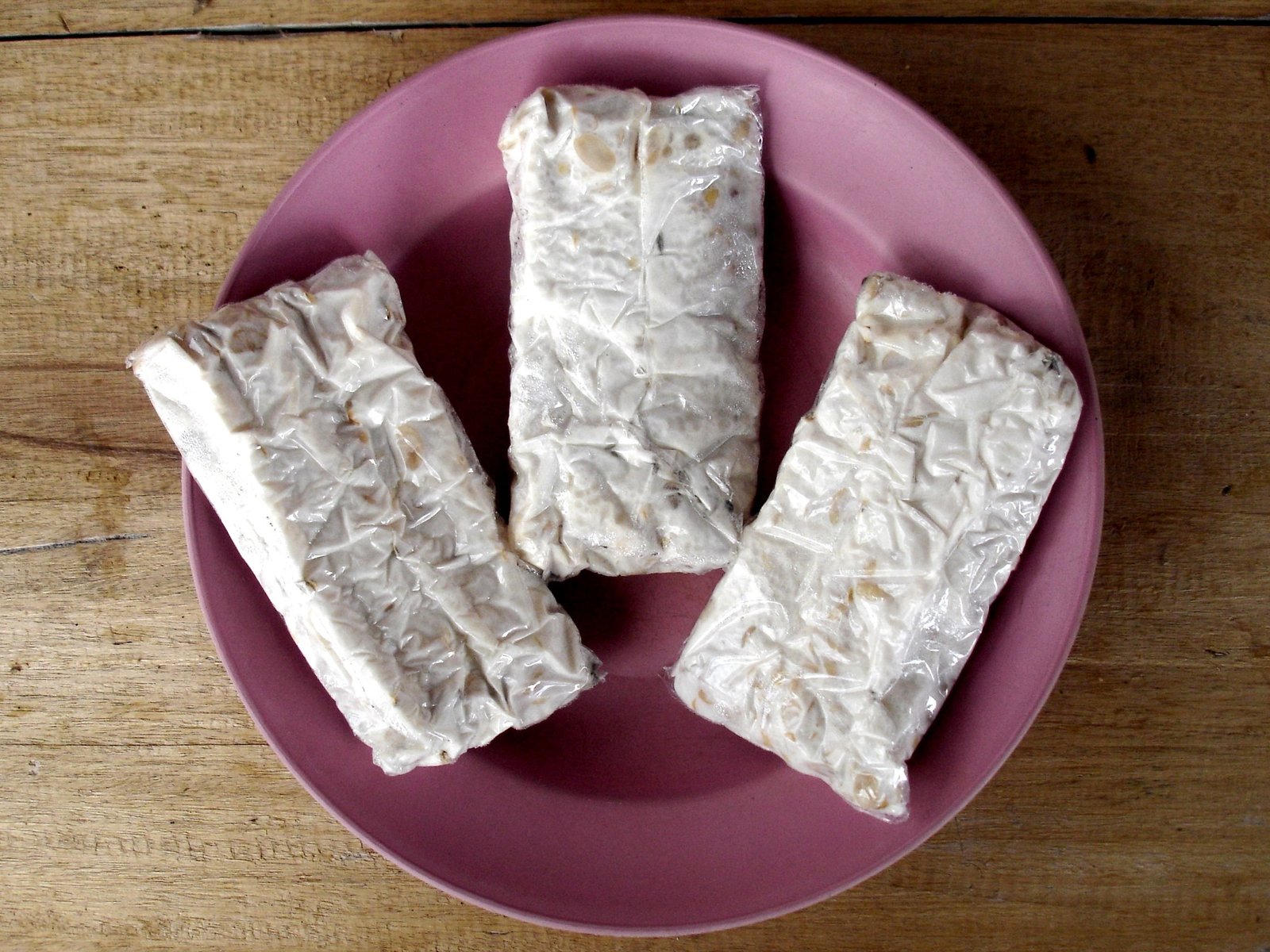
For diners, the practical takeaway is to see tempe as a crafted fermented food, not just a convenient protein. For cooks, that means choosing the size and thickness of the slice for the recipe while respecting the labour already in the ingredient. The next time tempe appears in sambal, a stir-fry or as a crisp side, the maker’s work is part of the flavour.
Primary video and subject: Murtadho, Sudah Kenal Tempe?, BRIN Audiovisual (2024), published under CC BY 4.0. Process reference: FAO. This is a desk-researched profile; iCookAsia did not visit or interview the producer.


_1.jpg)