


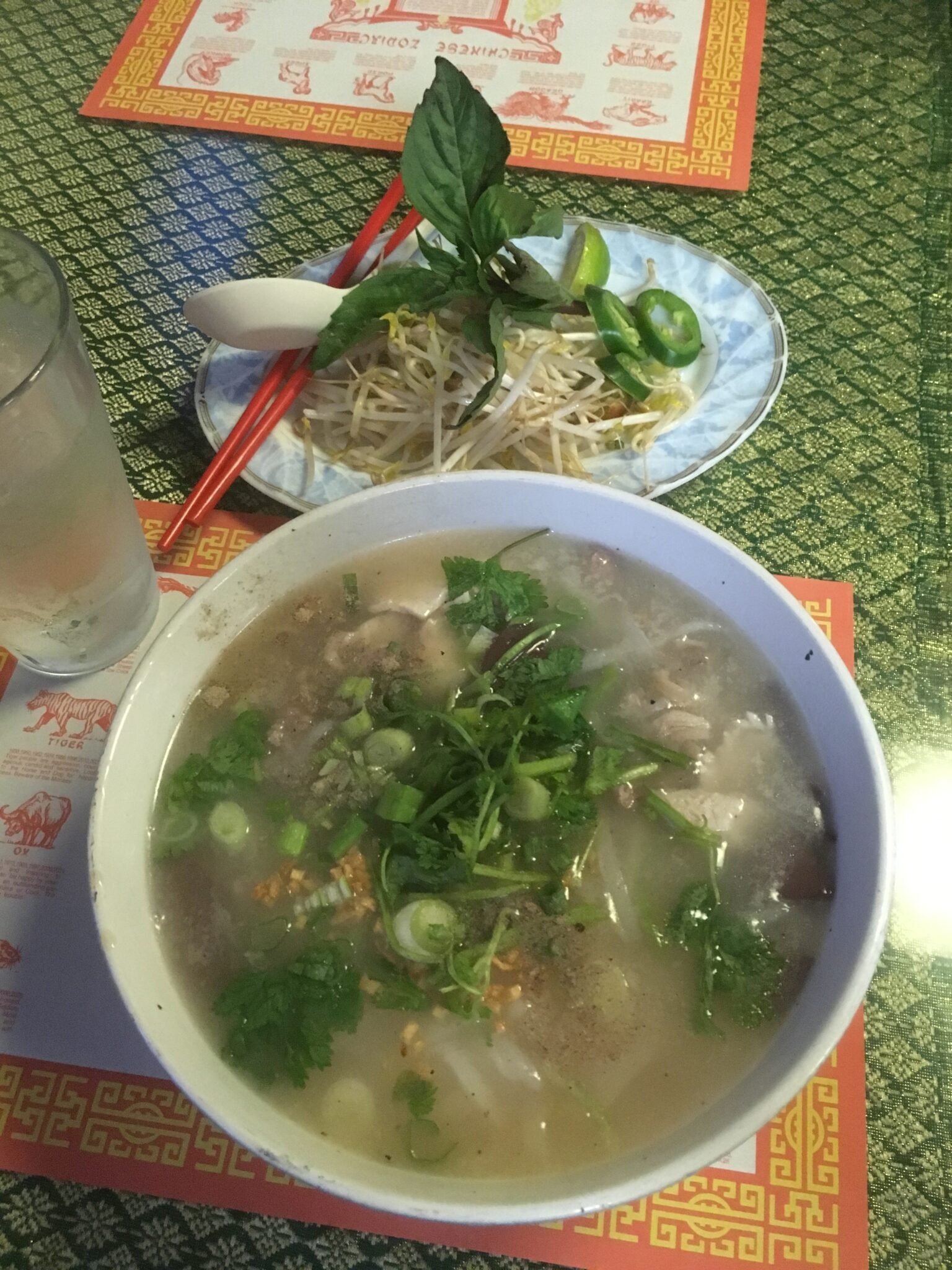

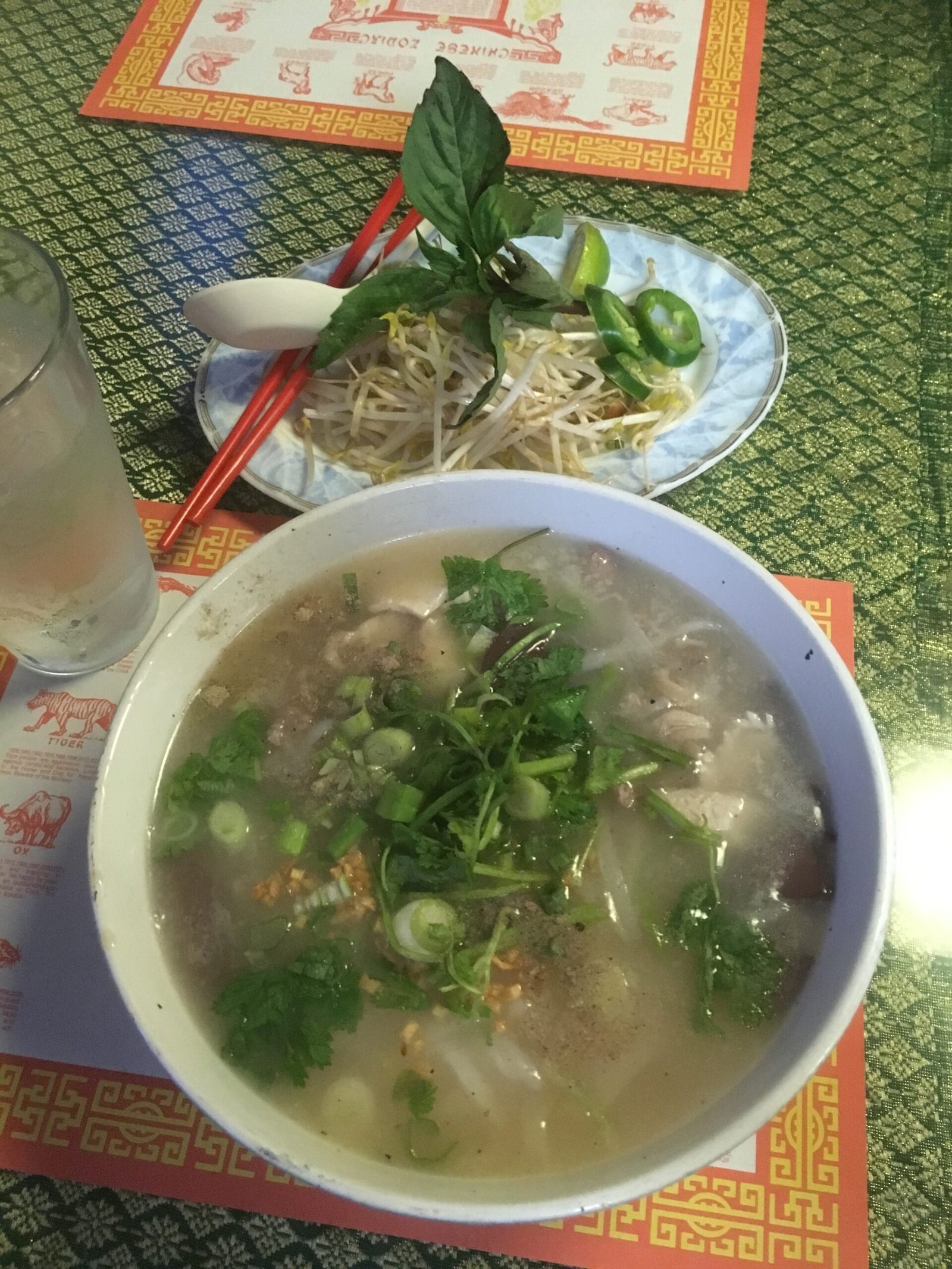
A bowl of Lao khao piak sen begins with a texture: fresh noodles that are soft at the surface yet pleasantly chewy when bitten. The noodles are made with rice flour and tapioca flour, then served in a fragrant broth, often with chicken. An ASEAN noodle cookbook prepared by diplomats describes it as a familiar Lao breakfast or lunch and explains why cooking the noodles in the stock gives the soup body. It is a meal built for warmth, but the final bowl can be adjusted with herbs, fried shallots, chilli and lime.
Why the noodles are different
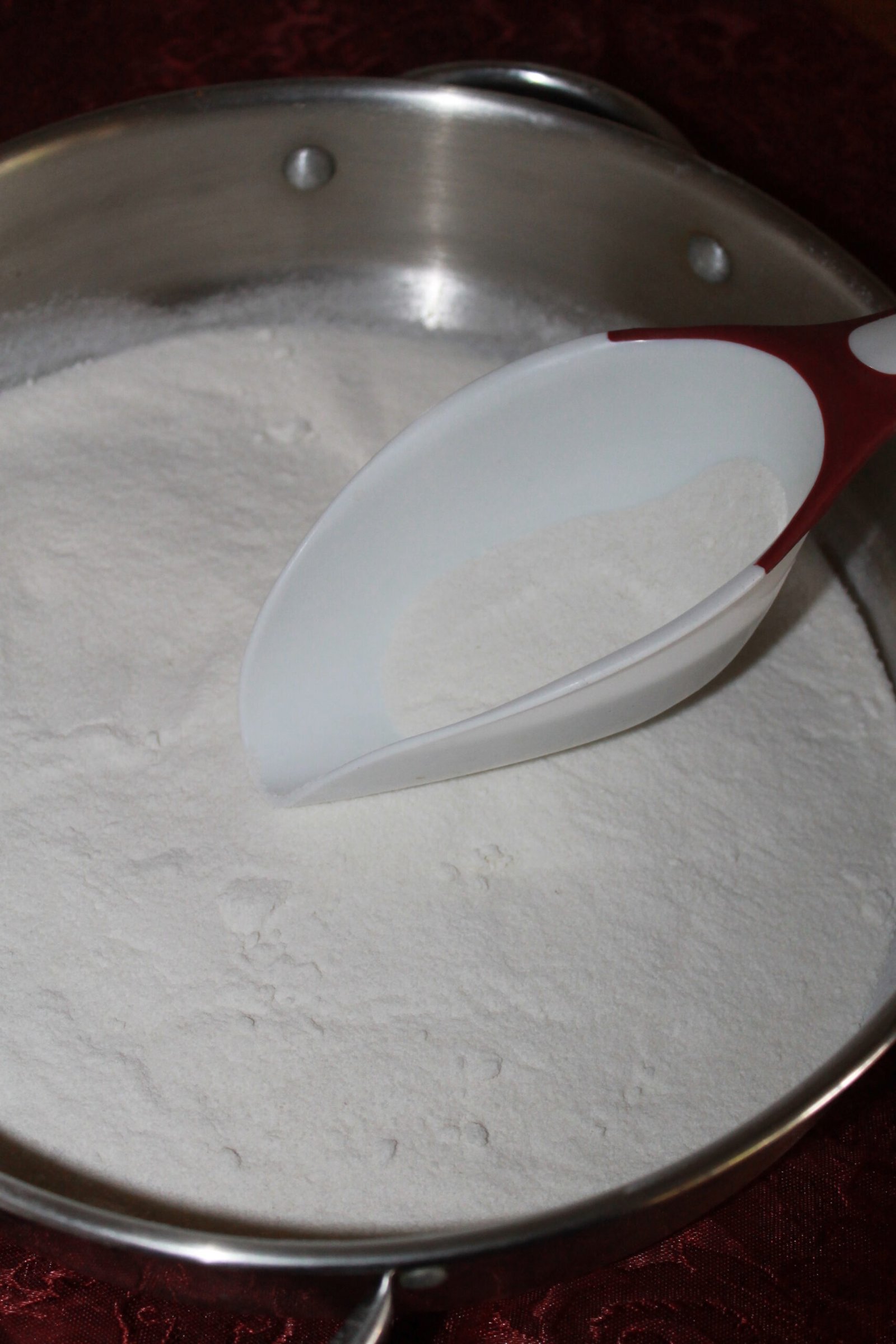
Rice flour provides the base, while tapioca starch gives the fresh strands their springy bite. Lao cook Saeng Douangdara starts the dough with boiling water, which helps the flours bind before it is rolled and cut. The noodles need enough flour for handling, but too much loose flour in the pot can thicken a small quantity of broth quickly. Fresh strands cook in minutes, so they are best added close to serving time.
Broth with room for each topping
Chicken stock is a common base. Garlic, shallots and aromatics such as ginger or galangal can give it depth without hiding the flavour of the noodles. Some cooks simmer chicken in the broth and shred it for the bowl; others vary the meat or keep the toppings lighter. Cooking the noodles directly in the stock releases starch and produces a thicker soup. Cooking them separately keeps the broth clearer. Both approaches appear in the ASEAN cookbook, and the choice changes how the same ingredients feel on the spoon.
Finish the bowl at the table
Fresh coriander and spring onion lift the aroma. Fried garlic or shallots add crunch; lime and chilli can be added a little at a time. Those final touches matter because they let each person decide how sharp, hot or savoury the broth should become. When trying the dish for the first time, taste the stock before adding condiments, then change one flavour at a time.
Watch a Lao home cook make it
In the embedded video, HomeMadeByKaysone Lao Kitchen demonstrates a home preparation of khao piak sen. The method is one cook’s version of a dish with many household variations.
Video played through the creator’s original YouTube player.