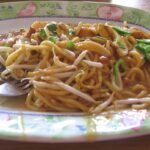




Pancit bihon is a Filipino stir-fried rice-noodle dish that carries savoury stock through every strand. It is often prepared for gatherings, but the method works just as well for a weeknight pan. Panlasang Pinoy’s pancit bihon recipe combines thin rice noodles with meat and vegetables, then lets the noodles take up the cooking liquid.
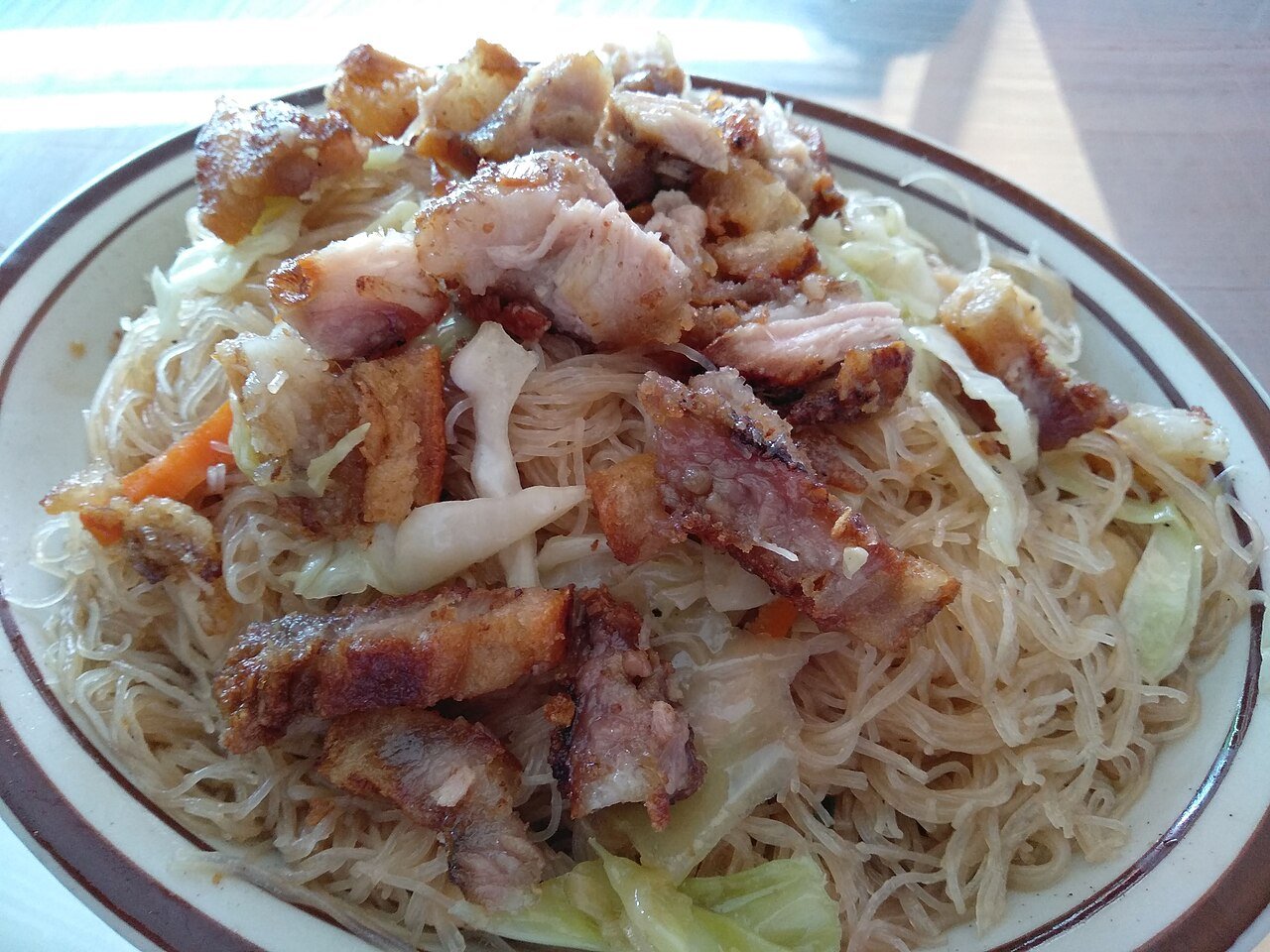
Cook the flavour before the noodles
Start by softening garlic and onion, then cook your chosen protein thoroughly. Add carrots, cabbage or other quick-cooking vegetables and season the pan with soy sauce and stock. Hydrate the bihon according to its package if needed, then add it to the pan. The noodles will absorb the seasoned liquid as they soften, so add more stock in small amounts rather than flooding the wok. This is the main texture decision: the finished dish should be tender but not wet.
Different households use different combinations of pork, chicken, shrimp and vegetables. Keep any raw meat or seafood separate from ready-to-eat ingredients until cooked, and adjust salt only after the noodles have absorbed the sauce.
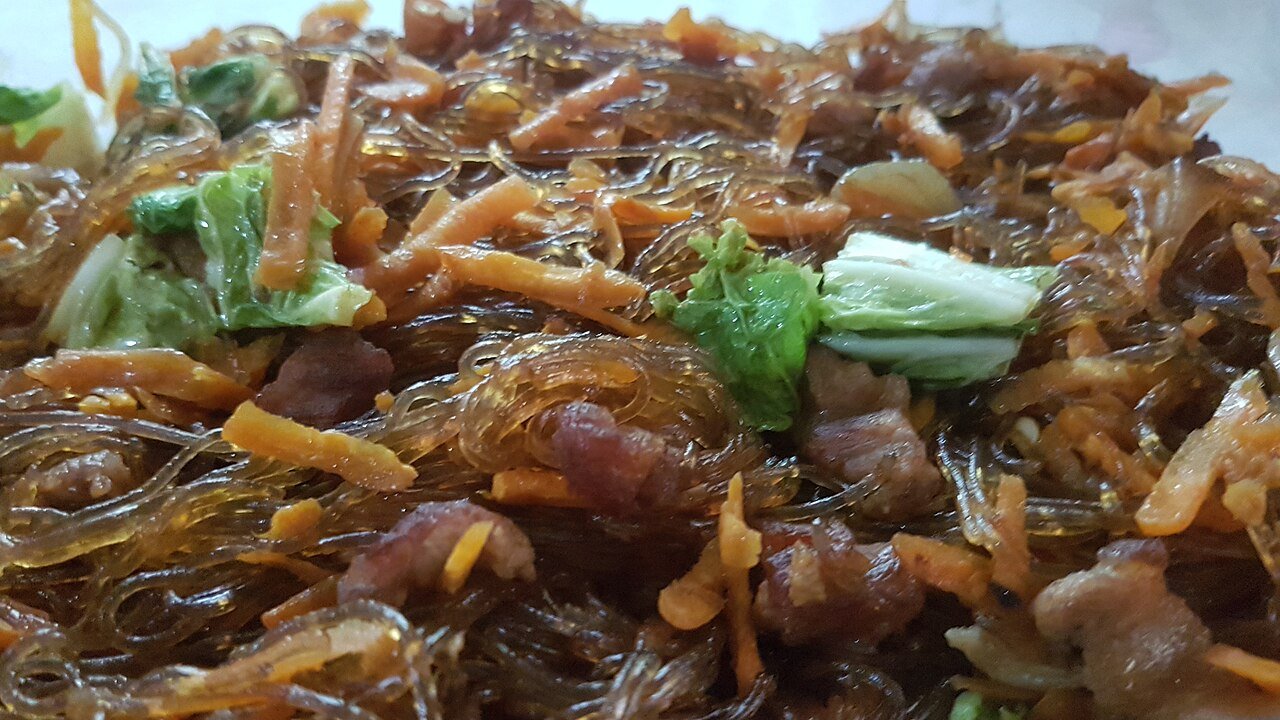
Finish with something bright
Once the noodles are tender, lift and turn them so vegetables and protein are distributed evenly. Serve with calamansi or lime wedges for a final squeeze. That sharpness keeps a generous plate lively. Panlasang Pinoy’s video demonstration shows a fuller version of the cooking sequence.
Watch pancit bihon being cooked
Video and recipe reference: Panlasang Pinoy.