



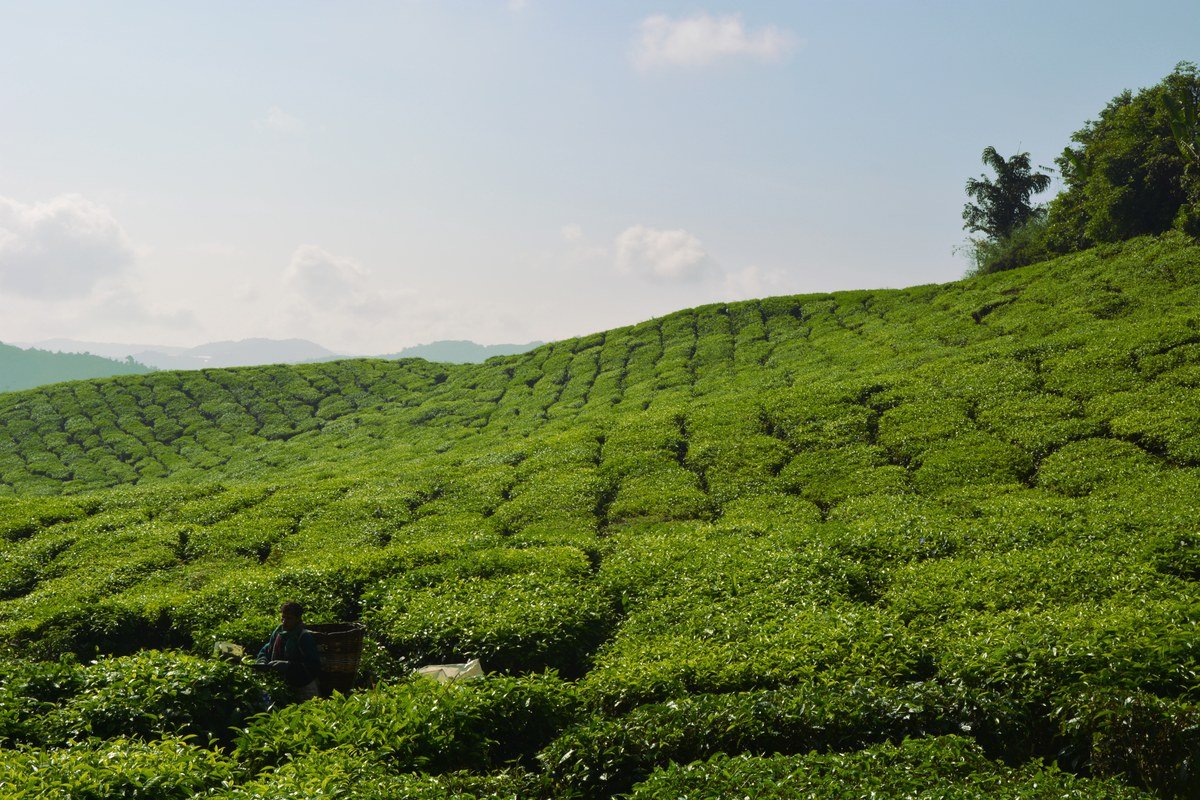

For years, the most visible face of Asian tea culture abroad was bubble tea: colourful cups, chewy pearls and queues outside brightly lit shops. Now the category is widening. Across Southeast Asia, tea is turning up as cold brew, sparkling drinks, botanical blends, matcha-style café creations and lower-sugar ready-to-drink options. At the same time, familiar favourites such as teh tarik remain deeply rooted in daily life.
This is not simply tea trying to replace coffee. It is a sign that drinkers want more choice in how they manage flavour, caffeine, convenience and ritual.
Tea was never a newcomer
Tea has a long history across Asia. The Food and Agriculture Organization describes it as the world’s most consumed drink after water and notes its cultural as well as economic importance. In Malaysia, plantations in the Cameron Highlands form part of the landscape, while kopitiams and mamak restaurants have made tea a social drink rather than a precious ceremony.
The new wave works because it does not begin from zero. It builds on habits that already exist: a hot cup at breakfast, iced tea at lunch, teh tarik during a late-night conversation and herbal infusions at home.

Why tea suits the current mood
Recent industry reports point to several reasons for tea’s renewed momentum. Consumers are looking for refreshment that feels lighter, more customisable and suitable at different times of day. Tea can be brewed hot or cold, served plain or creamy, and paired with fruit, flowers, spices and local herbs.
That flexibility gives cafés and beverage makers room to create. A citrus oolong can feel crisp and modern. Pandan milk tea can connect a contemporary menu to a familiar Southeast Asian aroma. Unsweetened jasmine tea can sit beside lunch without behaving like a dessert.
Tea also offers a broad range of caffeine experiences. The amount varies by leaf, processing, serving size and brewing method, so “tea” is not one fixed dose. For people who want caffeine, but not necessarily the intensity of a large coffee, that range can be appealing.
Beyond the bubble tea boom
Bubble tea helped make tea playful and portable. It also taught customers to customise sweetness, ice and toppings. Those habits are now spreading to the wider beverage market.
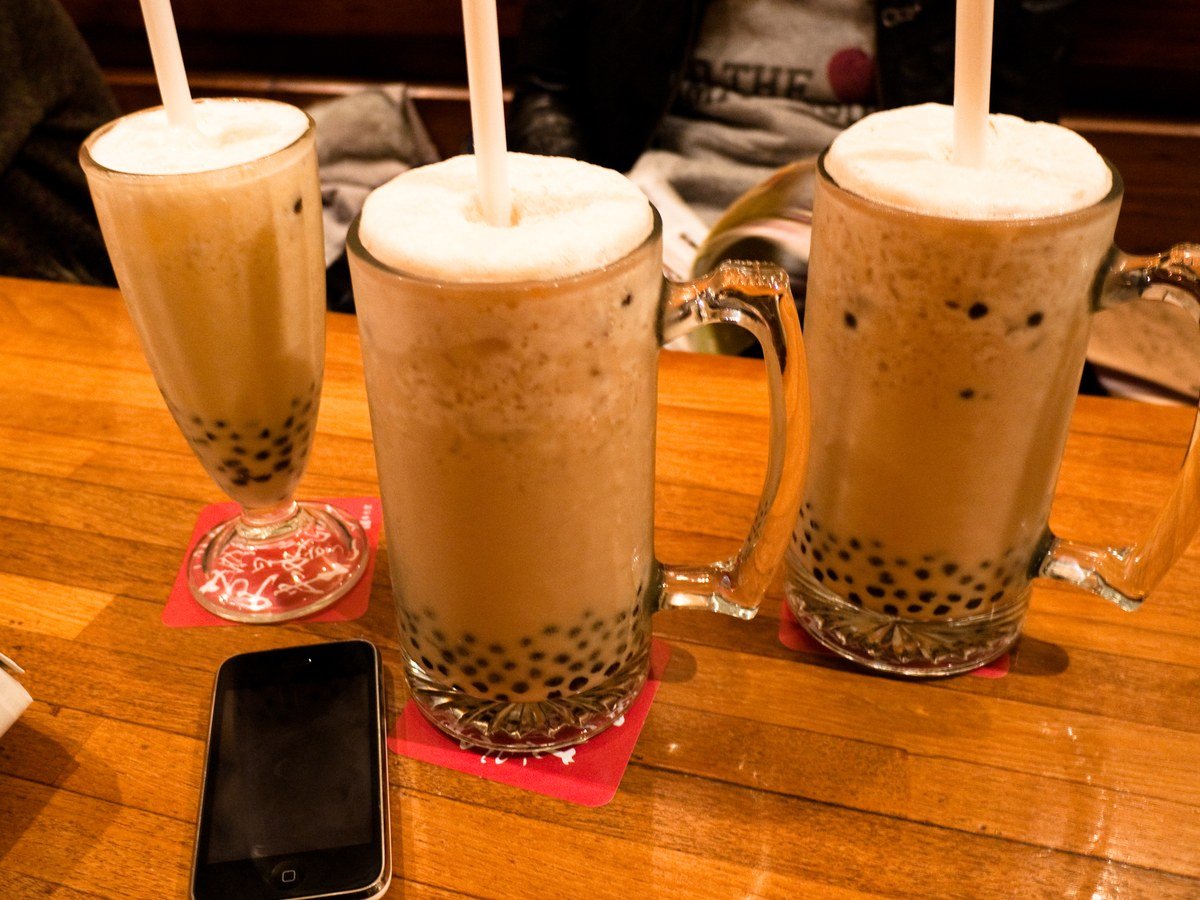
The next phase is likely to be less dependent on pearls. Tea bars are experimenting with foam, fresh fruit, spices, sparkling water and careful brewing. Supermarkets are adding ready-to-drink teas that promise botanical ingredients or functional benefits. Restaurants are also treating tea more seriously as a food pairing, especially when diners do not want alcohol or another coffee.
This creates opportunities for Southeast Asian flavours. Calamansi, lemongrass, ginger, pandan, roselle and torch ginger can bring a local identity to a global format. The strongest drinks do not use these ingredients as decoration. They understand how aroma, acidity, bitterness and sweetness work together.
The health halo needs a closer look
Tea often carries a healthy image, but the finished drink matters more than the word on the cup. Plain brewed tea can be low in calories. A large milk tea with syrup, sweetened creamer and toppings is a different product.
The World Health Organization recommends limiting free sugars to less than 10 percent of daily energy intake, with further benefits possible below 5 percent. Ready-to-drink tea is included among the beverages that can contribute added sugar. This does not mean every sweet tea must disappear. It means sweetness should be a deliberate choice, not an invisible default.
Consumers can check the serving size, total sugar and ingredient list. At a café, asking for less sugar is useful, but it is also worth remembering that sweetened milk, fruit syrup and toppings may contribute additional sweetness.
What makes a good modern tea drink?
A convincing tea drink should still taste of tea. Fruit and milk can support it, but they should not erase the aroma, gentle bitterness or structure that the leaves provide.
Balance is equally important. Citrus needs enough sweetness to soften its sharpness, yet not so much that it becomes cordial. Creamy tea needs body without leaving a heavy coating on the palate. Herbal notes should feel integrated rather than medicinal.
Good operators also explain what customers are drinking. Is it black tea, green tea, oolong or an herbal infusion? Where is it grown? How is it brewed? Clear language helps people move beyond choosing only by colour or topping.
A chance to value local tea again
The excitement around modern tea should also lead back to the source. Tea cultivation supports millions of growers globally, according to the FAO. In Malaysia, a renewed interest in tea can encourage curiosity about local plantations, processing and the work behind each cup.
There is room for both innovation and memory. A sparkling calamansi tea does not have to compete with teh tarik. One fits an afternoon café visit, while the other carries the warmth of the mamak table. Together they show how elastic tea culture can be.
Tea’s real advantage is variety
Coffee remains central to café culture, and tea does not need to defeat it. Tea’s advantage is that it can move easily between tradition and experimentation. It can be plain, pulled, chilled, fermented, floral, milky or fruit-forward.
The most interesting future for Southeast Asian tea will not come from copying every overseas trend. It will come from using the region’s own ingredients, drinking habits and hospitality to create cups that feel current without losing their sense of place.