



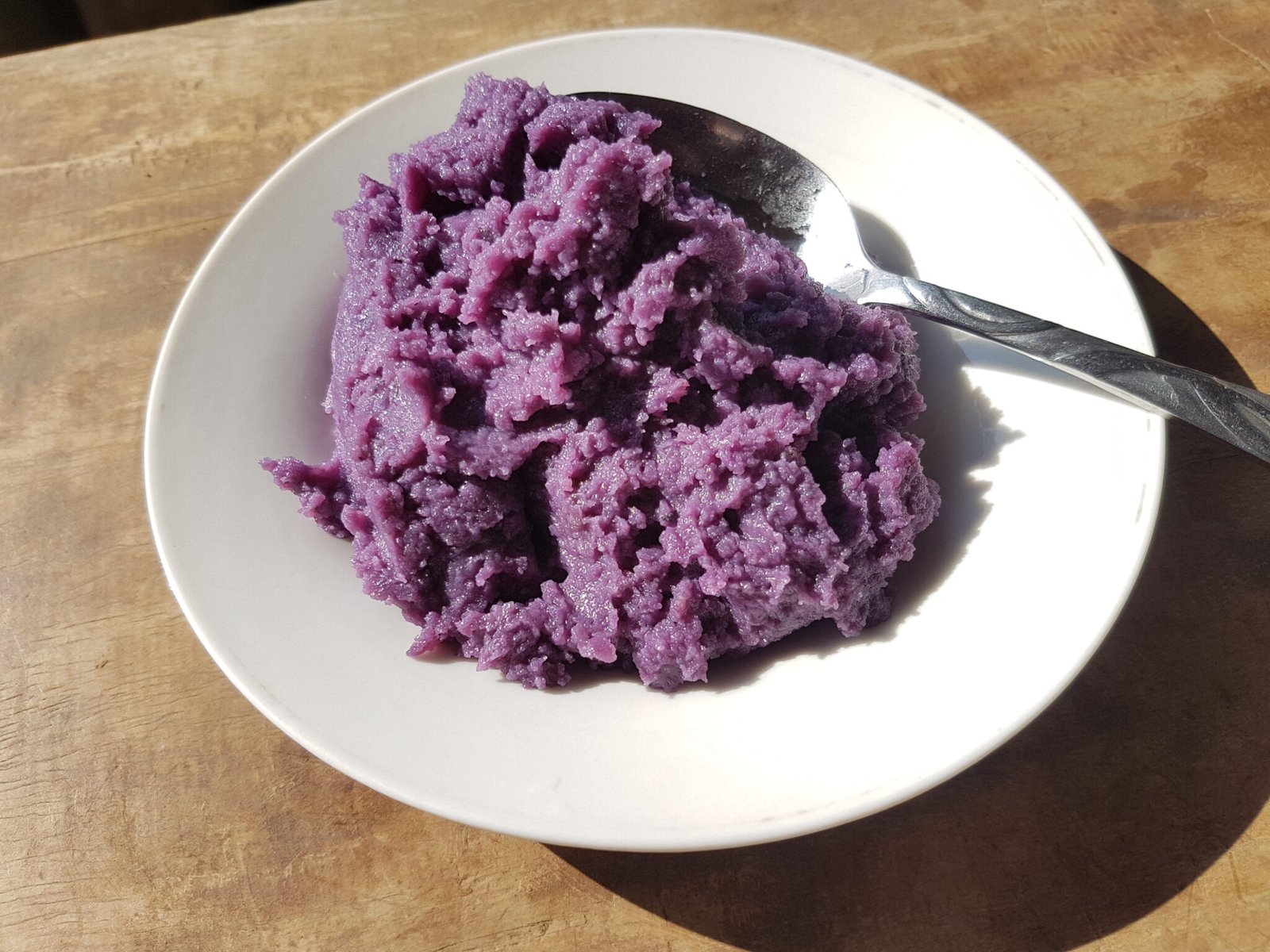

From purple lattes and cheesecakes to soft-serve ice cream and pastries, ube has become one of the most recognisable food colours of 2026.
Major café chains and independent bakeries outside Southeast Asia are introducing ube-flavoured products, often positioning the ingredient as a possible successor to matcha. Its vivid colour photographs beautifully, while its mild, nutty sweetness adapts easily to drinks and desserts.
But calling ube a new trend tells only half the story.
For many Filipinos, ube is not a fashionable café invention. It is a familiar ingredient connected to family celebrations, festive tables and recipes passed down over generations.
What exactly is ube?
Ube, pronounced “oo-beh”, is the Filipino name commonly used for purple yam, particularly Dioscorea alata.
When cooked, its flesh can range from pale lavender to an intense violet. Its flavour is gently sweet and earthy, with notes that are sometimes compared to vanilla, coconut or pistachio.
It is this combination of flavour, colour and texture that makes ube especially versatile. It can be boiled and mashed, cooked into jam, incorporated into bread dough, blended into ice cream or used as a flavouring for cakes and drinks.
The Philippine Department of Agriculture describes ube as an important local crop with growing domestic and international demand. In June 2026, the department distributed more than 60,000 planting materials to farmers in Leyte and Bohol as part of efforts to expand production and improve farming income.
Source: www.da.gov.ph/ube-industry-gets-boost-as-da-bpi-distributes-60000-planting-materials/
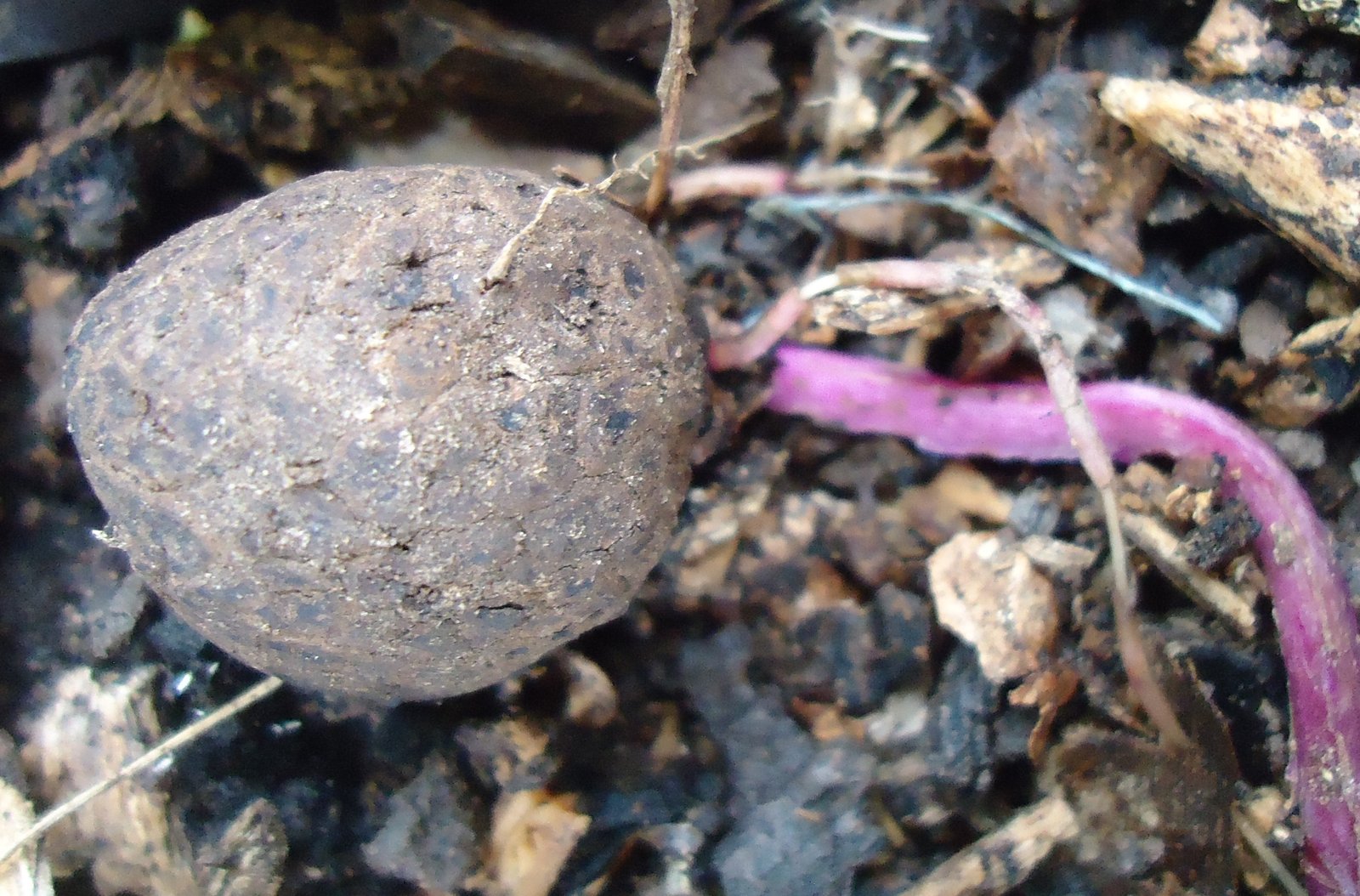
Ube is not taro or purple sweet potato
The three ingredients are regularly confused, especially once they have been processed into powders, purées or flavoured drinks.
Ube is a yam with naturally purple flesh and a mildly sweet, aromatic character.
Taro normally has pale flesh with small purple speckles. Its flavour is more starchy and earthy, and it is used in both savoury and sweet dishes across Asia.
Purple sweet potato, meanwhile, belongs to the sweet-potato family. It normally has a denser texture and a more direct sweetness than ube.
Substituting one for another may produce a similar colour, but the flavour and texture will not be exactly the same.
This distinction matters because some products marketed as “ube” rely primarily on flavouring, colouring or another purple root vegetable rather than genuine purple yam.
Long before the purple latte
One of the most traditional preparations is ube halaya, a thick purple-yam jam commonly cooked with milk, coconut milk, sugar and fat.
Preparing it traditionally requires patience. The mixture must be stirred until it becomes smooth, thick and glossy. It can be eaten on its own or used as a base for other sweets.
For some Filipino families, making halayang ube remains part of their holiday tradition. It is prepared for gatherings, shared with relatives or given as a festive gift.
Source: www.pna.gov.ph/articles/1125788
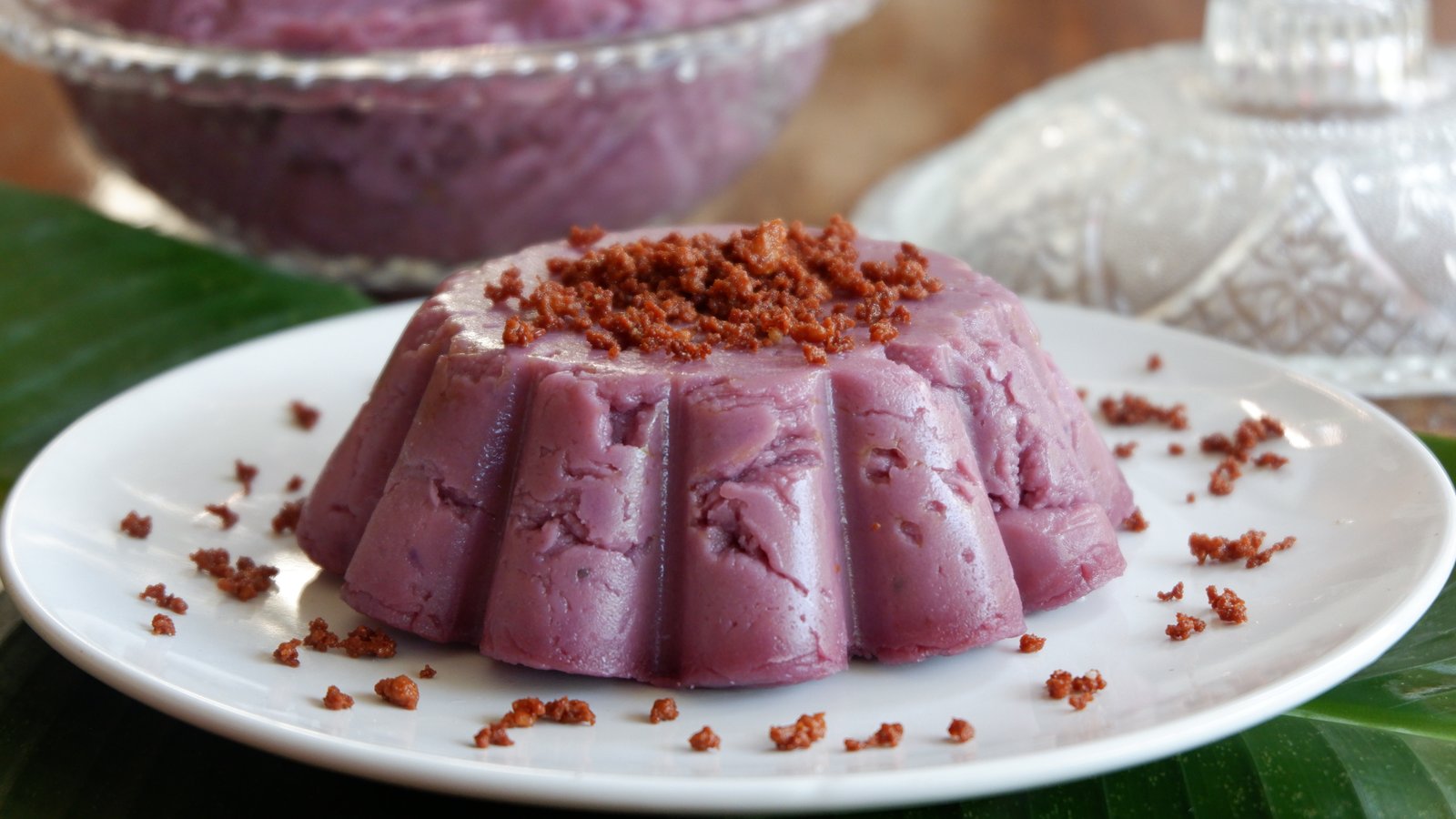
Ube also appears in:
- Halo-halo
- Ice cream
- Pandesal and ensaymada
- Cakes and Swiss rolls
- Hopia
- Kakanin or Filipino rice cakes
- Champorado
- Modern cookies, doughnuts and pastries
These dishes show why ube cannot be reduced to a fashionable colour. It was already embedded in Filipino food culture long before it appeared on international café menus.
Why did ube become so popular in 2026?
Its colour is undoubtedly part of the attraction.
In a social-media environment where food is often photographed before it is tasted, ube’s natural violet appearance immediately stands out. A purple drink or pastry can be recognised within seconds on Instagram or TikTok.
Its flavour is also approachable. Ube is distinctive without being overpowering, allowing it to work with coconut, vanilla, chocolate, cheese, coffee and even matcha.
International coffee chains have consequently begun placing ube alongside familiar café flavours. The current boom has brought welcome recognition to Filipino cuisine, but it has also created questions about authenticity and supply.
Filipino chefs have expressed concern that products dominated by artificial flavouring may no longer represent the aroma, taste or natural colour of real ube. Farmers can also struggle to meet sudden international demand because the crop is seasonal and commonly grown on a relatively small scale.
A trend with real consequences
The popularity of ube could create valuable opportunities for farmers, food producers and Filipino entrepreneurs.
However, that opportunity becomes more meaningful when the ingredient’s origin is acknowledged.
Calling it simply a “purple Asian flavour” removes the people and traditions that helped preserve it. Cafés and food brands can do better by identifying ube as a Filipino ingredient, learning how it is traditionally used and working with responsible suppliers.
Consumers can also look beyond the most Instagrammable latte. Trying ube halaya, halo-halo or ube pandesal provides a better introduction to its cultural context.
How should first-time eaters try ube?
Start with ube halaya if you want to understand the flavour of the yam itself. Its thick texture and concentrated taste provide a useful reference point for recognising real ube in other desserts.
Ube ice cream is another approachable option, especially when it is made using genuine halaya or purple-yam purée.
For something less dessert-like, try ube pandesal. The soft Filipino bread provides a gentler balance between the sweetness of the filling and the flavour of the dough.
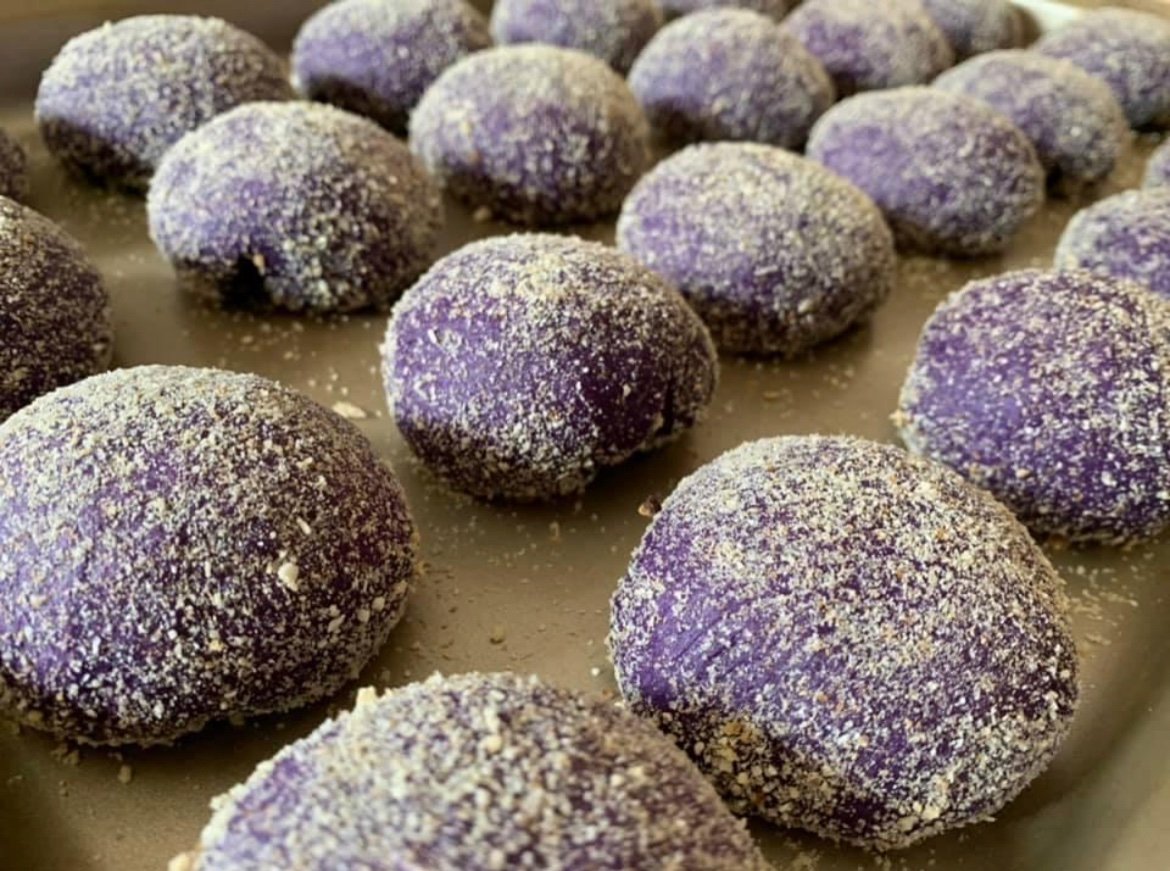
More than a passing food colour
Ube deserves its international moment.
Its vibrant appearance makes it perfectly suited to modern food culture, but its real appeal goes beyond its colour. It carries the story of a crop, a cuisine and generations of Filipino cooks who were using it long before the world decided purple was fashionable.
The next time an ube latte appears on your feed, remember that the presentation may be new, but the ingredient and the culture behind it certainly are not.