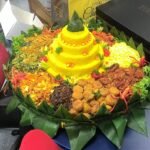



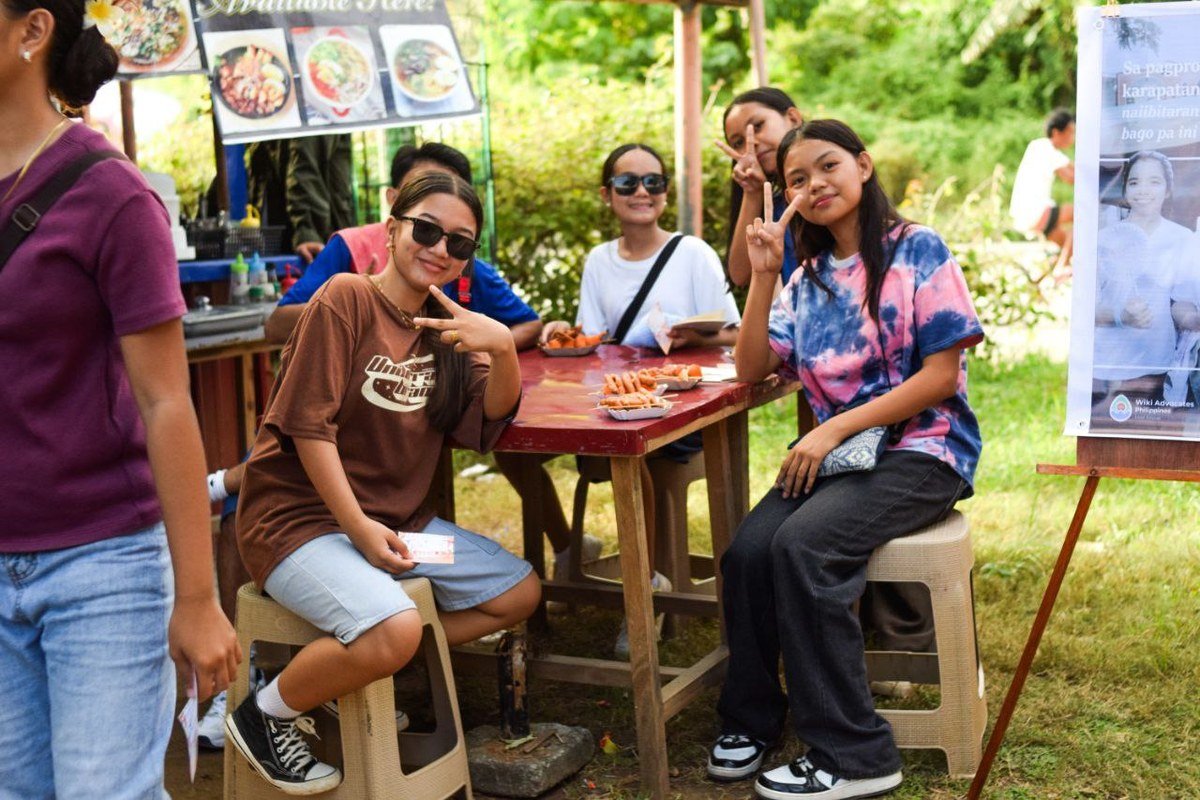

At around three or four in the afternoon, hunger has a particular sound in the Philippines. It may be the call of a street vendor, the rustle of bread from a neighbourhood bakery or a colleague asking whether anyone wants merienda.
- A borrowed word that became distinctly Filipino
- Pandesal makes the ordinary feel generous
- Merienda can be sweet, savoury or both
- Rice cakes carry place and season
- A break that creates social time
- Street vendors keep the ritual accessible
- Not every merienda has to be a feast
- Why merienda travels so well
- More than the food between meals
- Sources
Merienda is usually translated as a snack, but that description feels too small. It is a pause in the day, a reason to gather and an easy way to show care. Sometimes it is sweet and quick. Sometimes it is filling enough to resemble another meal. What matters is not a strict menu, but the invitation to stop and share.
A borrowed word that became distinctly Filipino
The word merienda came through centuries of Spanish influence. In the Philippines, it developed into a broad habit that can include a mid-morning bite as well as an afternoon meal.
Yet the culture around it is not simply a copy of Spain. Filipino merienda reflects an archipelago shaped by Indigenous food traditions, trade with China and neighbouring Southeast Asia, Spanish colonial rule, movement across the Pacific and later American influence.
The result is a snack table where rice cakes, noodles, bread, bananas, root crops and chocolate can sit comfortably beside one another.
Pandesal makes the ordinary feel generous
Pandesal is one of the simplest expressions of merienda. The soft bread roll is affordable, familiar and adaptable. It can be dipped into coffee, spread with butter, filled with cheese or paired with whatever is available at home.
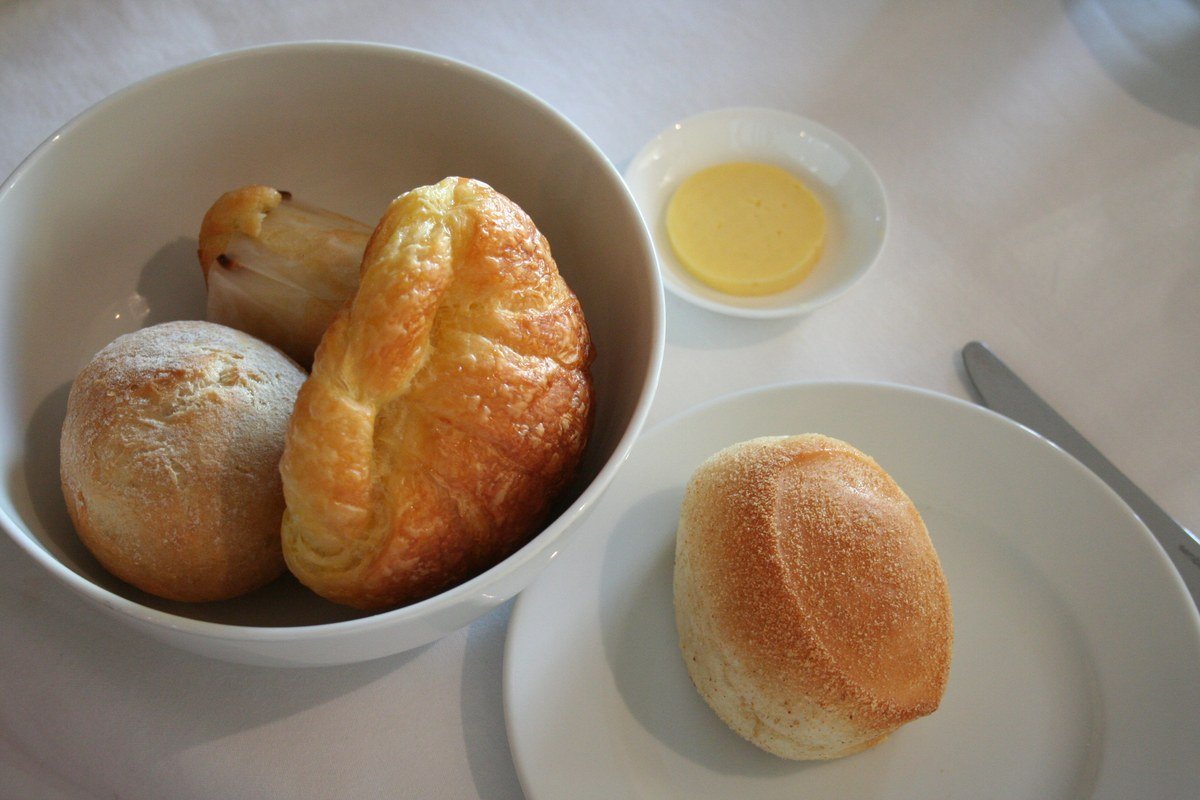
Its strength lies in being ordinary. A bag of warm pandesal can feed several people without requiring a formal occasion. Bringing it home from the bakery is a small domestic gesture that says everyone has been remembered.
Modern bakeries have added ube, cheese, meat and custard fillings, but the plain roll remains culturally powerful because it fits almost any household and budget.
Merienda can be sweet, savoury or both
There is no single flavour profile for merienda. Pancit noodles may appear beside rice cakes. Champorado, a chocolate rice porridge, can be paired with salty dried fish. Banana cue and camote cue turn fruit or sweet potato into glossy street snacks. Savoury buns, spring rolls and dumplings reveal long histories of migration and adaptation.
Turon is especially easy to love across borders. Banana is wrapped in a thin spring-roll pastry, often with sugar and sometimes jackfruit, then fried until crisp and caramelised.
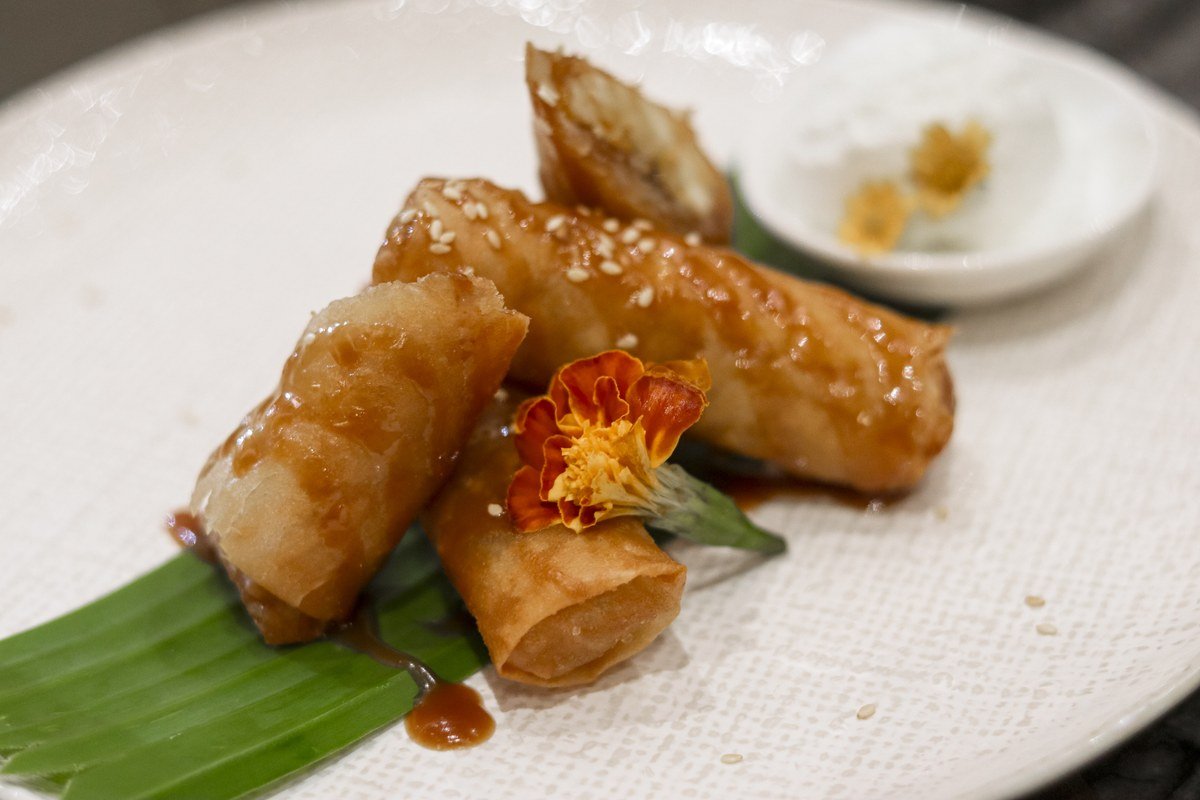
The contrast feels familiar throughout Southeast Asia. Many regional snack traditions build pleasure from inexpensive ingredients through texture: crisp against soft, salty beside sweet, warm food with a cold drink.
Rice cakes carry place and season
Filipino rice cakes are often grouped under the broad term kakanin, but each has its own ingredients, method and regional identity. Suman may be wrapped in leaves. Puto is steamed. Bibingka is traditionally cooked with heat above and below, producing a fragrant cake associated especially with the Christmas season.
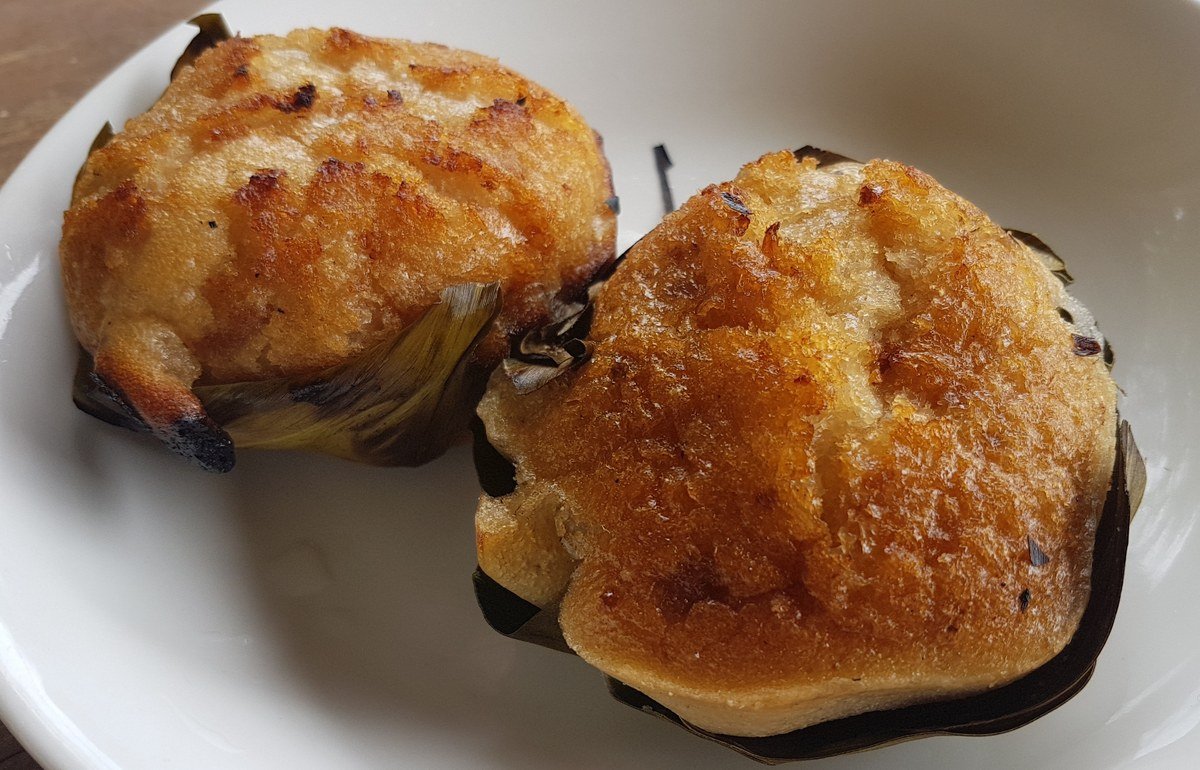
The National Museum of the Philippines describes traditional leaf-wrapped foods as tangible cultural heritage. The wrapper is not merely packaging. It can shape aroma, cooking technique, transport and presentation while connecting a food to plants available in its region.
When a rice cake appears at merienda, the snack break becomes a quiet encounter with agricultural knowledge and family memory.
A break that creates social time
Workplaces can treat merienda as a practical pause, but it also changes the mood of a room. Hierarchies soften when people share a box of pastries or divide a plate of noodles. Conversation moves beyond the task at hand.
At home, offering merienda to a visitor extends hospitality without the pressure of preparing a full feast. The food can be modest because the gesture carries much of the meaning.
This is where merienda becomes relatable across the region. Malaysians understand minum petang. Indonesians recognise the pleasure of gorengan with tea or coffee. In Singapore, a kopi break with kaya toast creates its own everyday rhythm. The names and foods differ, but the instinct is similar: the afternoon is easier when it contains a shared pause.
Street vendors keep the ritual accessible
Merienda also belongs to the street. Vendors bring fried bananas, rice cakes, skewers and drinks close to schools, offices, terminals and neighbourhoods. They turn the break into something people can join without planning ahead.
This accessibility matters. A food tradition survives not only through heritage restaurants and festivals, but through repetition. It stays alive because someone can buy it on the way home and because another person continues to make it at a price the community can afford.
Street food also changes with its customers. New sauces, fillings and presentation styles appear. Innovation is not necessarily a threat to tradition, provided the original makers and contexts are not erased.
Not every merienda has to be a feast
Social media can make snack culture look like a table overflowing with food. Everyday merienda is often far simpler: fruit, bread, leftover noodles or a hot drink.
That flexibility is part of its appeal. People can choose a portion that matches their hunger rather than treating the break as a compulsory extra meal. Sweetened drinks and fried snacks can be enjoyed, but they do not have to define every afternoon.
The cultural value lies in making space for rest and connection, not in consuming the largest possible spread.
Why merienda travels so well
For Filipinos living abroad, merienda can recreate home in a compact form. A familiar bread roll, rice cake or banana snack is easier to share than an elaborate banquet. It offers friends and colleagues an approachable introduction to Filipino food.
The tradition also welcomes adaptation. Ingredients may change with place, but the emotional structure remains: someone brings food, others gather, and an ordinary afternoon briefly feels more generous.
More than the food between meals
Merienda shows that food culture is shaped as much by timing and relationships as by recipes. It gives the day another meeting point, one that is informal enough for spontaneity but familiar enough to feel dependable.
That may be why the practice resonates beyond the Philippines. Across Southeast Asia, people understand that a snack can be an invitation, a break can become a memory and hospitality does not need to wait for dinner.